The Ultimate Guide to Diesel Engine Maintenance in Riverside
Understanding Diesel Engines
Diesel engines are renowned for their durability and efficiency, making them a popular choice for vehicles and machinery in Riverside. However, to keep these engines running smoothly, regular maintenance is essential. In this guide, we'll explore the key aspects of diesel engine maintenance that every owner should know.
Regular Oil Changes
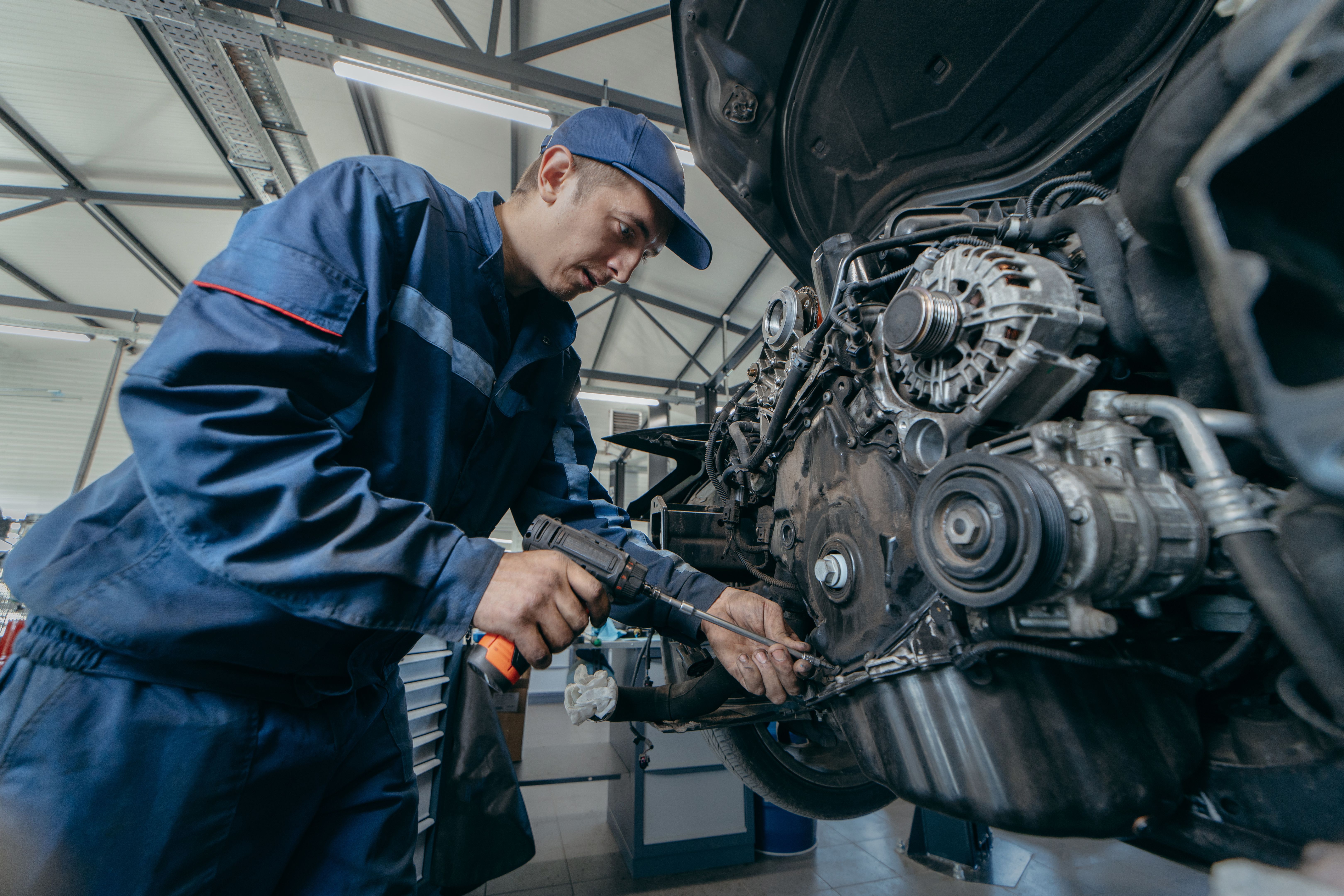
Oil changes are crucial for maintaining the health of a diesel engine. Due to the high compression ratios and intense heat, the oil in a diesel engine can degrade more quickly than in a gasoline engine. Regular oil changes help to remove contaminants and ensure optimal performance. It's recommended to change the oil every 5,000 to 7,000 miles or as advised by your vehicle's manufacturer.
Fuel System Maintenance
Diesel engines rely on a clean fuel system to function efficiently. Over time, contaminants can build up in the fuel system, leading to clogged filters and reduced performance. Regularly replacing the fuel filter and using quality diesel fuel additives can help keep the system clean. Additionally, ensure that the fuel injectors are inspected and cleaned periodically to maintain proper fuel atomization.
Cooling System Checks
The cooling system in a diesel engine is vital for preventing overheating. Regularly check the coolant level and ensure there are no leaks in the system. It's also important to flush and replace the coolant as per the manufacturer's recommendations to prevent corrosion and buildup inside the engine.
Air Filter Replacement
An efficient air intake is crucial for a diesel engine's performance. Over time, air filters can become clogged with dust and debris, restricting airflow and reducing efficiency. Replacing the air filter every 12,000 to 15,000 miles, or more frequently in dusty environments, can help maintain optimal performance.
Battery Maintenance
Diesel engines require a strong battery to power the starter motor and other electrical components. Regularly inspect the battery terminals for corrosion and ensure they are tightly connected. It's also a good idea to test the battery's charge and replace it as needed to avoid unexpected failures.
Exhaust System Care
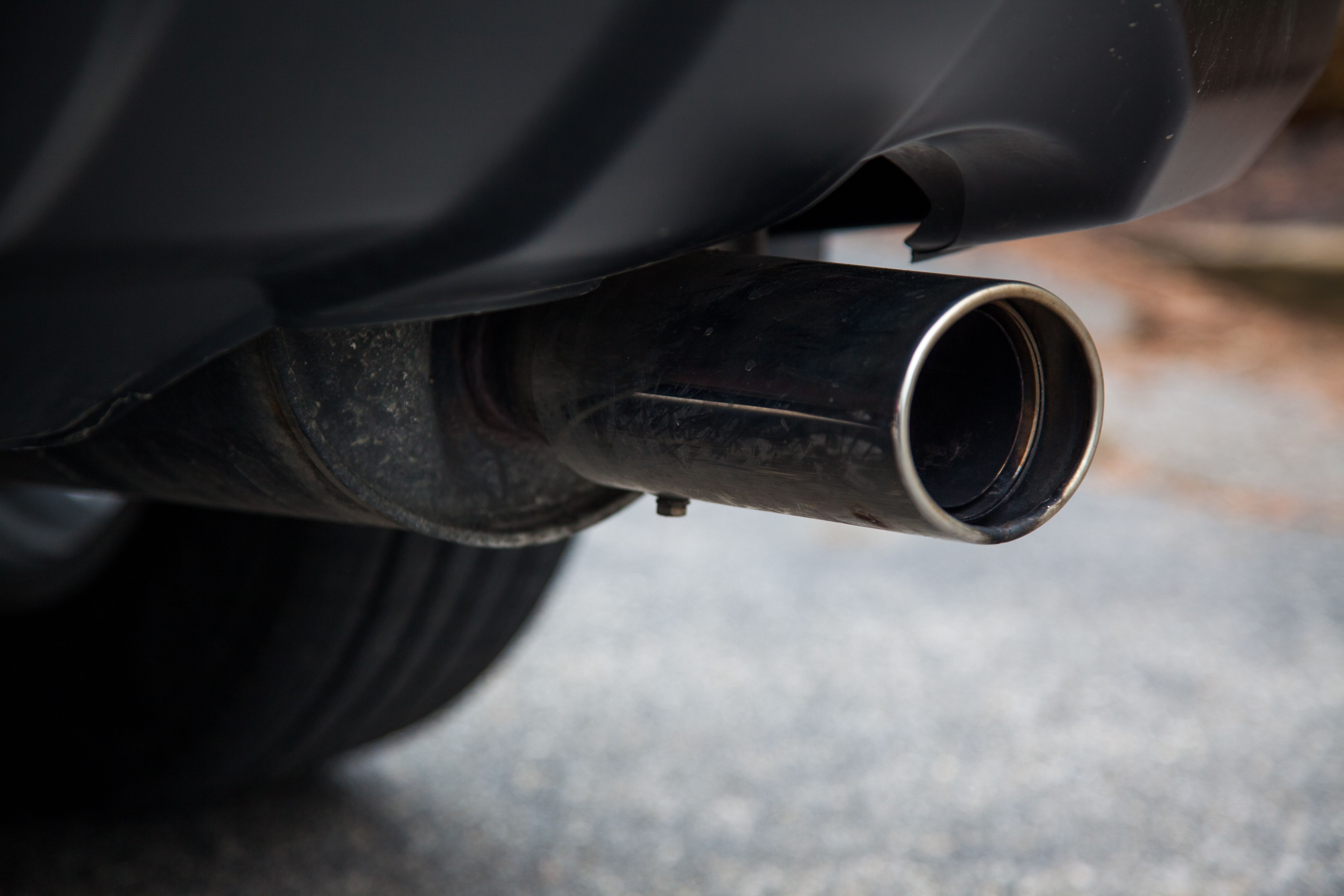
The exhaust system in a diesel engine is designed to manage emissions and reduce noise. Regular inspections can help identify any leaks or damage that might affect performance. Pay attention to any unusual noises or excessive smoke, as these could indicate issues with the exhaust system that need to be addressed promptly.
Professional Inspections
While regular DIY maintenance is essential, professional inspections are equally important. A qualified mechanic can identify issues that might not be visible to the untrained eye and provide expert advice on maintaining your diesel engine. Schedule a comprehensive inspection at least once a year to ensure everything is in top condition.
Conclusion
Maintaining a diesel engine involves a combination of regular checks, timely replacements, and professional inspections. By following these guidelines, you can ensure that your diesel engine remains reliable and efficient for years to come. Whether you're navigating the roads of Riverside or working on a construction site, proper maintenance is key to getting the most out of your diesel-powered equipment.