Seasonal Diesel Engine Care: Preparing for Winter in Riverside
Understanding the Challenges of Winter for Diesel Engines
As winter approaches in Riverside, diesel engine owners must be proactive in preparing their vehicles for the colder months. Diesel engines can be more susceptible to cold weather, which can lead to issues such as hard starting and fuel gelling. Understanding these challenges is the first step in ensuring smooth operation throughout the winter season.
Temperature drops can cause diesel fuel to thicken, leading to clogged filters and lines. This is why it's essential to implement a winter care routine tailored to the unique needs of diesel engines. Regular maintenance and the right products can make a significant difference in performance and longevity.
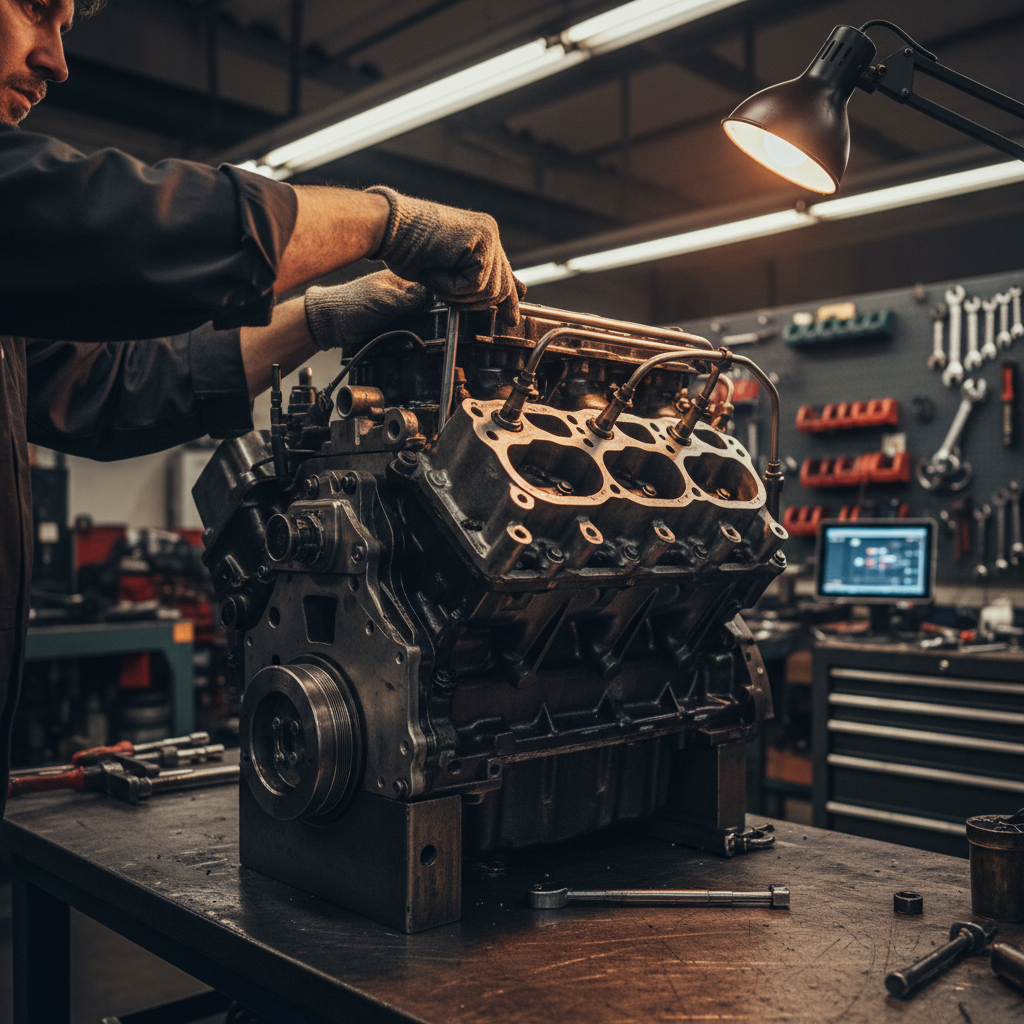
Essential Winter Maintenance Tips
Use Winterized Diesel Fuel
One of the most important steps in winter preparation is switching to winterized diesel fuel. This type of fuel is formulated to withstand lower temperatures, preventing gelling and ensuring smooth flow. Check with local suppliers to ensure you’re getting the right blend for your vehicle.
Check and Replace Glow Plugs
Glow plugs are crucial for starting diesel engines in cold weather. Ensure they are in good condition and replace any that are worn out. This simple check can prevent starting issues and save you from potential headaches on cold mornings.

Battery and Coolant Considerations
Inspect the Battery
Cold weather can be harsh on batteries, so it's vital to ensure yours is fully charged and in good condition. Check for any corrosion and clean the terminals to maintain a good connection. If your battery is more than a few years old, consider having it tested or replaced to avoid unexpected failures.
Use the Right Coolant Mixture
Maintaining the correct coolant mixture is essential for engine performance in winter. A 50/50 mix of coolant and distilled water is generally recommended, but consult your vehicle’s manual for specific guidelines. This mixture helps prevent freezing and keeps your engine running efficiently.

Final Preparations and Considerations
Regular Oil Changes
Cold weather can thicken engine oil, reducing its effectiveness. Use oil with the appropriate viscosity for winter conditions. Regular oil changes before the temperature drops can make a significant difference in performance.
Inspect Belts and Hoses
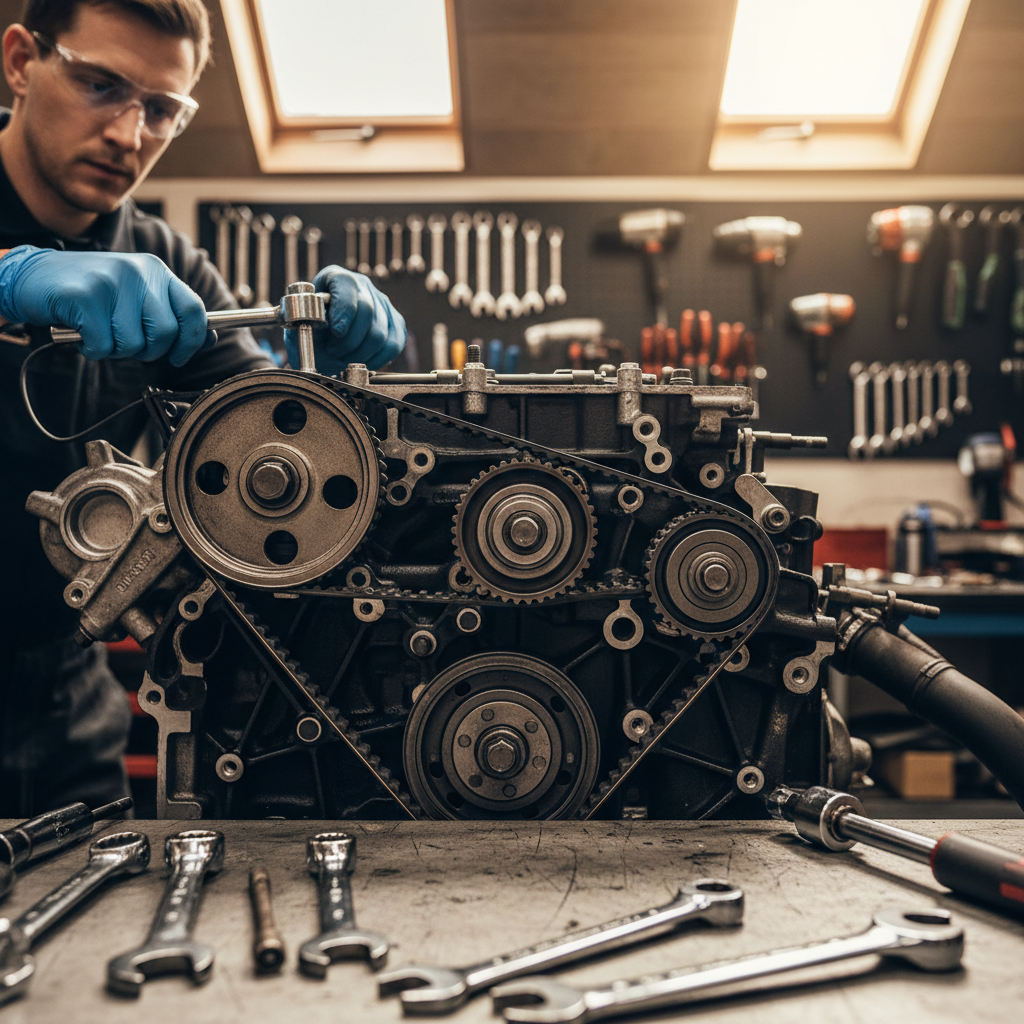
Cold temperatures can cause belts and hoses to become brittle, leading to potential failures. Inspect these components for any signs of wear or damage and replace them as needed. Doing so will prevent unexpected breakdowns and costly repairs.
Conclusion: A Smooth Winter Ride
Properly preparing your diesel engine for winter in Riverside is essential for ensuring reliability and efficiency. By following these guidelines, you can prevent common winter issues and enjoy a smooth driving experience all season long. Investing time in preventative maintenance will not only enhance the performance of your engine but also extend its lifespan.