Preparing Your Diesel Engine for Seasonal Changes: Expert Tips
Understanding the Impact of Seasonal Changes
As the seasons change, so do the demands on your diesel engine. Whether you're transitioning from the heat of summer to the chill of winter, or vice versa, it's crucial to prepare your engine to handle these shifts. Seasonal changes can affect engine performance, fuel efficiency, and longevity. By taking proactive steps, you can ensure your diesel engine runs smoothly all year round.
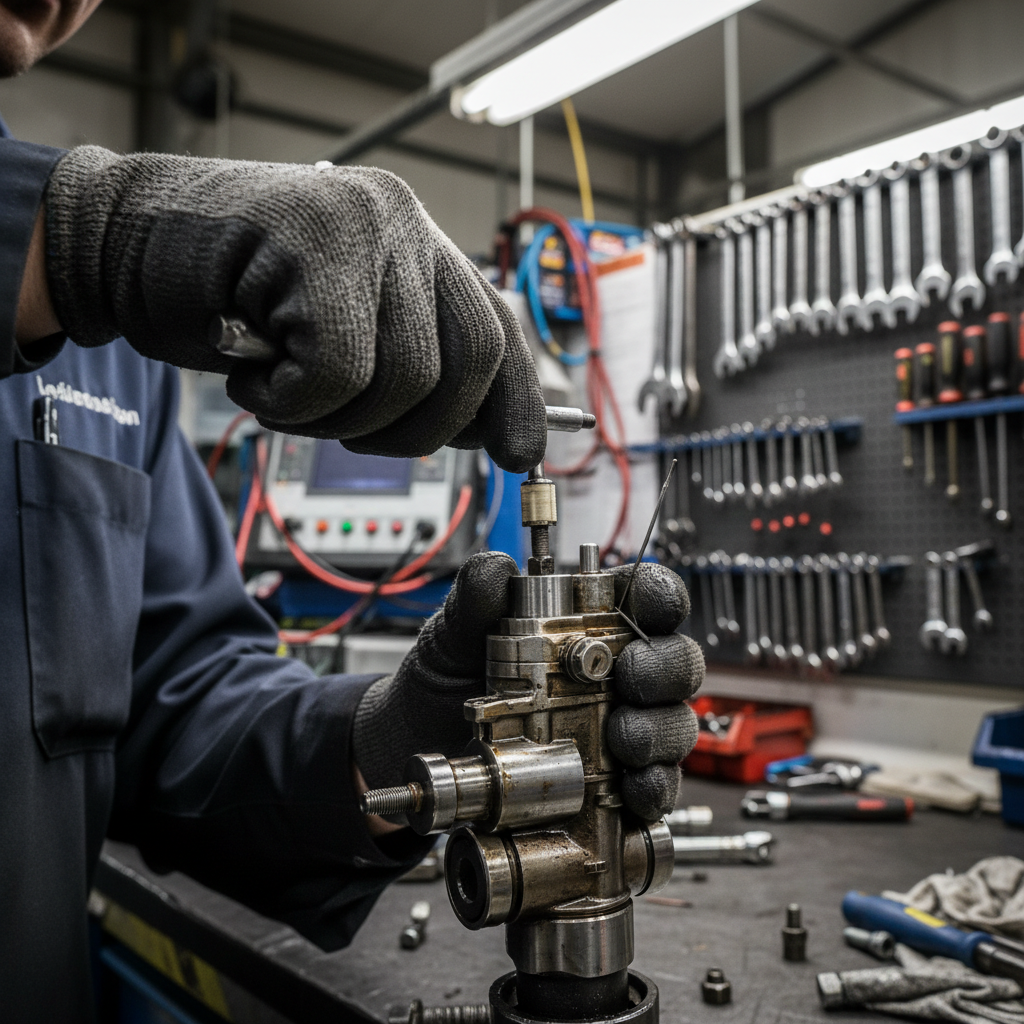
Check and Replace Fluids
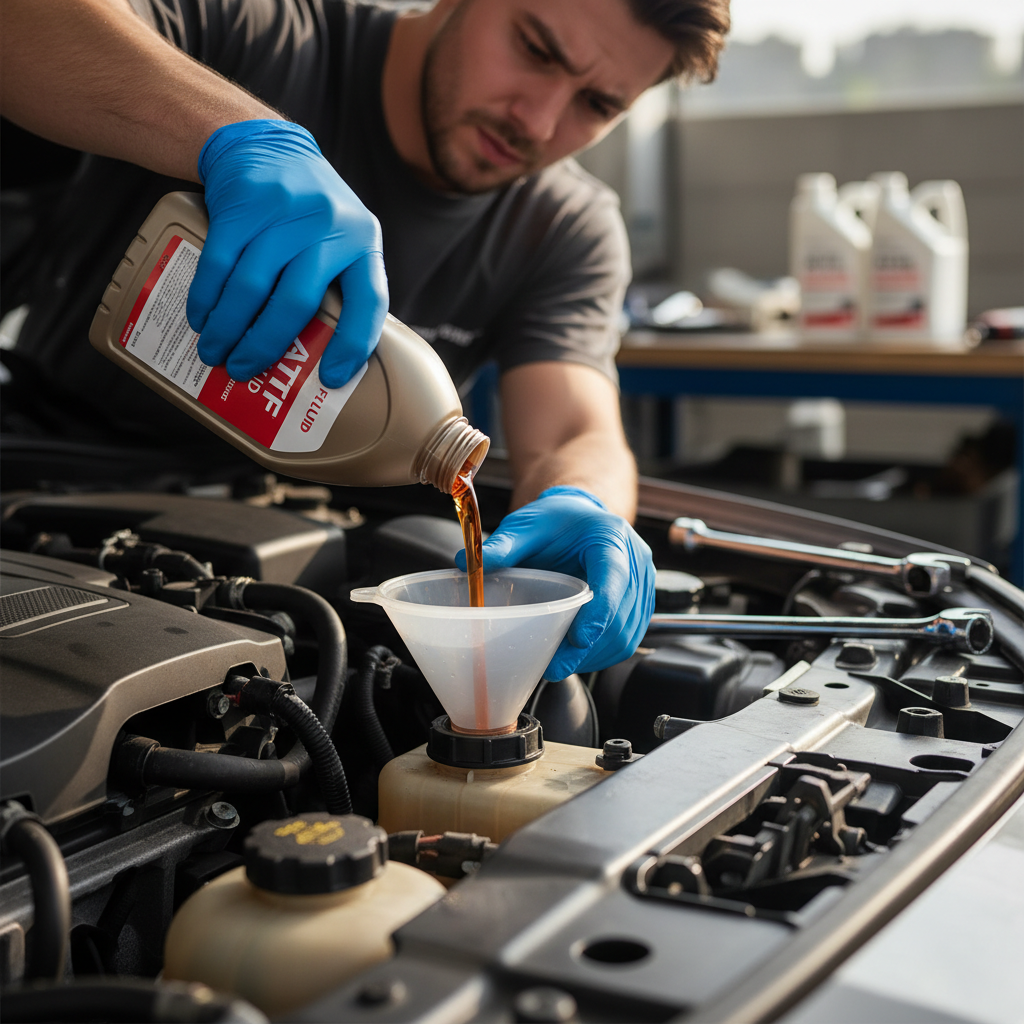
One of the most important steps in preparing your diesel engine for seasonal changes is checking and replacing fluids. Engine oil, coolant, and transmission fluid all play critical roles in maintaining performance. In colder months, using thinner oil can help with easier starting and better lubrication. Conversely, thicker oil might be more suitable for warmer conditions to prevent overheating.
Additionally, inspect your coolant levels and consider using a winter-grade coolant if you're heading into colder weather. This will prevent the coolant from freezing and damaging the engine. Regularly changing these fluids can prevent major issues and extend the life of your engine.
Inspect the Battery and Electrical System
Cold weather can be particularly harsh on your diesel engine's battery. Low temperatures can reduce battery capacity and affect its ability to start the engine. Before winter sets in, test your battery to ensure it's in good condition. Clean any corrosion from the terminals and check the connections to ensure they are tight and secure.
Also, examine the electrical system, including the alternator and starter motor. These components must be in top condition to handle the increased demand during colder months. If necessary, replace any worn or damaged parts to avoid unexpected breakdowns.

Examine the Fuel System
The fuel system in a diesel engine can be sensitive to temperature changes. In colder weather, diesel fuel can gel, causing clogs and starting issues. To prevent this, use a winter-grade fuel or add a fuel additive designed to lower the gelling point. It's also wise to regularly replace the fuel filter to ensure optimal flow and prevent contaminants from entering the system.
During warmer months, maintaining a clean fuel system helps improve efficiency and performance. Regularly check for leaks or blockages that could impact engine operation.
Inspect Belts and Hoses
Belts and hoses can become brittle and prone to cracking in cold temperatures. Before the onset of winter, carefully inspect these components for signs of wear or damage. Replace any that show signs of cracking or fraying to prevent failures that could lead to costly repairs.
In warmer weather, these parts can also suffer from heat-related wear. Regular inspections ensure that your engine remains in good health, regardless of the season.
Conclusion: Plan Ahead for Smooth Transitions
Preparing your diesel engine for seasonal changes requires attention to detail and proactive maintenance. By checking fluids, inspecting electrical systems, examining the fuel system, and ensuring belts and hoses are in good condition, you can keep your engine running efficiently. Planning ahead and addressing potential issues before they become major problems can save you time, money, and stress.
Regular maintenance not only enhances performance but also extends the lifespan of your diesel engine, ensuring it remains reliable through every seasonal transition. Stay ahead of the weather and keep your engine in peak condition all year long.