How to Prepare Your Diesel Engine for Seasonal Changes in California
Understanding Seasonal Impacts on Diesel Engines
California's diverse climate can pose unique challenges for diesel engine owners. The transition between seasons can affect performance, fuel efficiency, and overall engine health. Being proactive in your maintenance routine is essential to ensure your diesel engine runs smoothly all year long.
Seasonal changes can lead to temperature fluctuations, increased humidity, and varying air quality. Each of these factors can influence how your diesel engine operates. By preparing in advance, you can minimize wear and tear and prolong the lifespan of your engine.
Inspecting and Replacing Filters
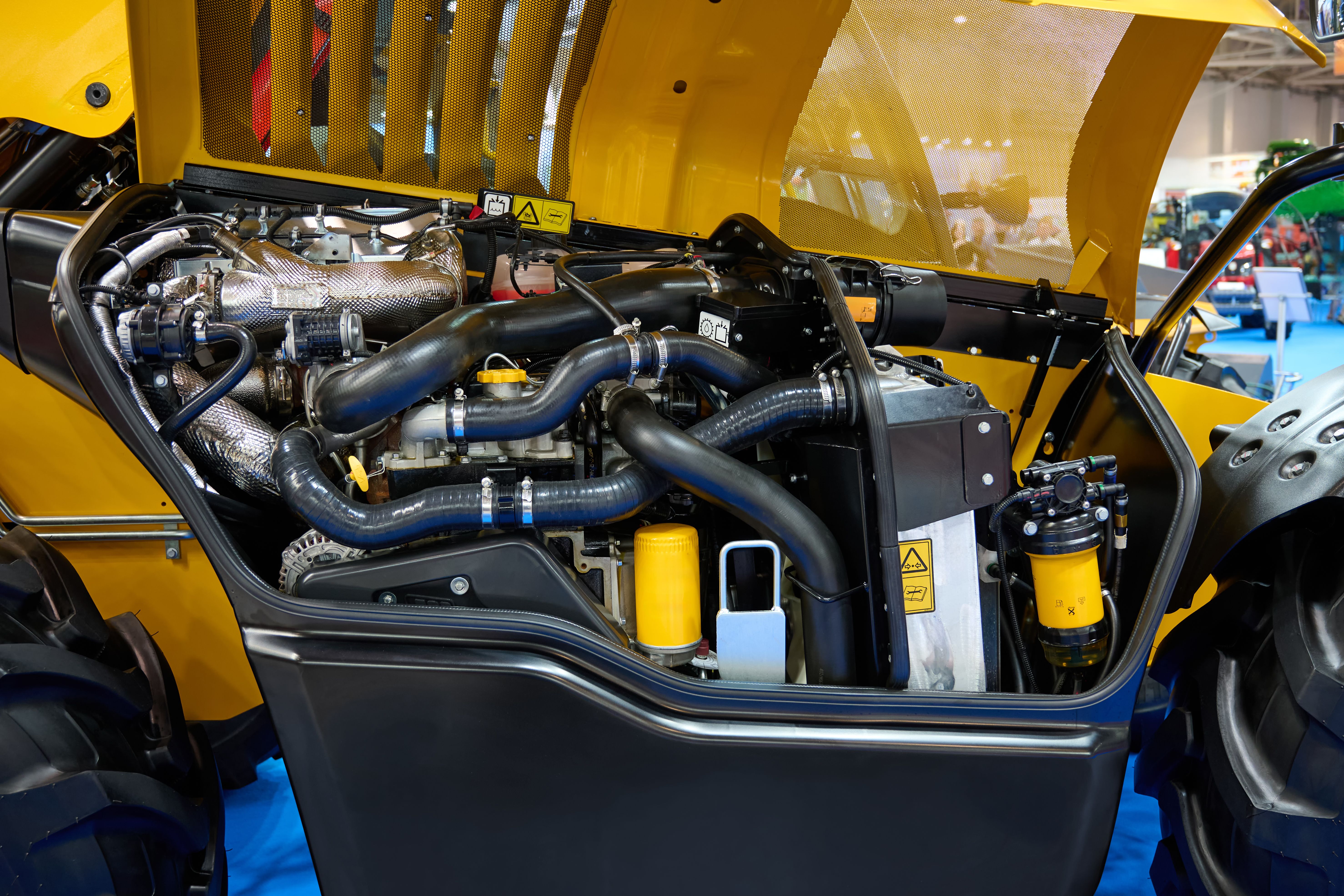
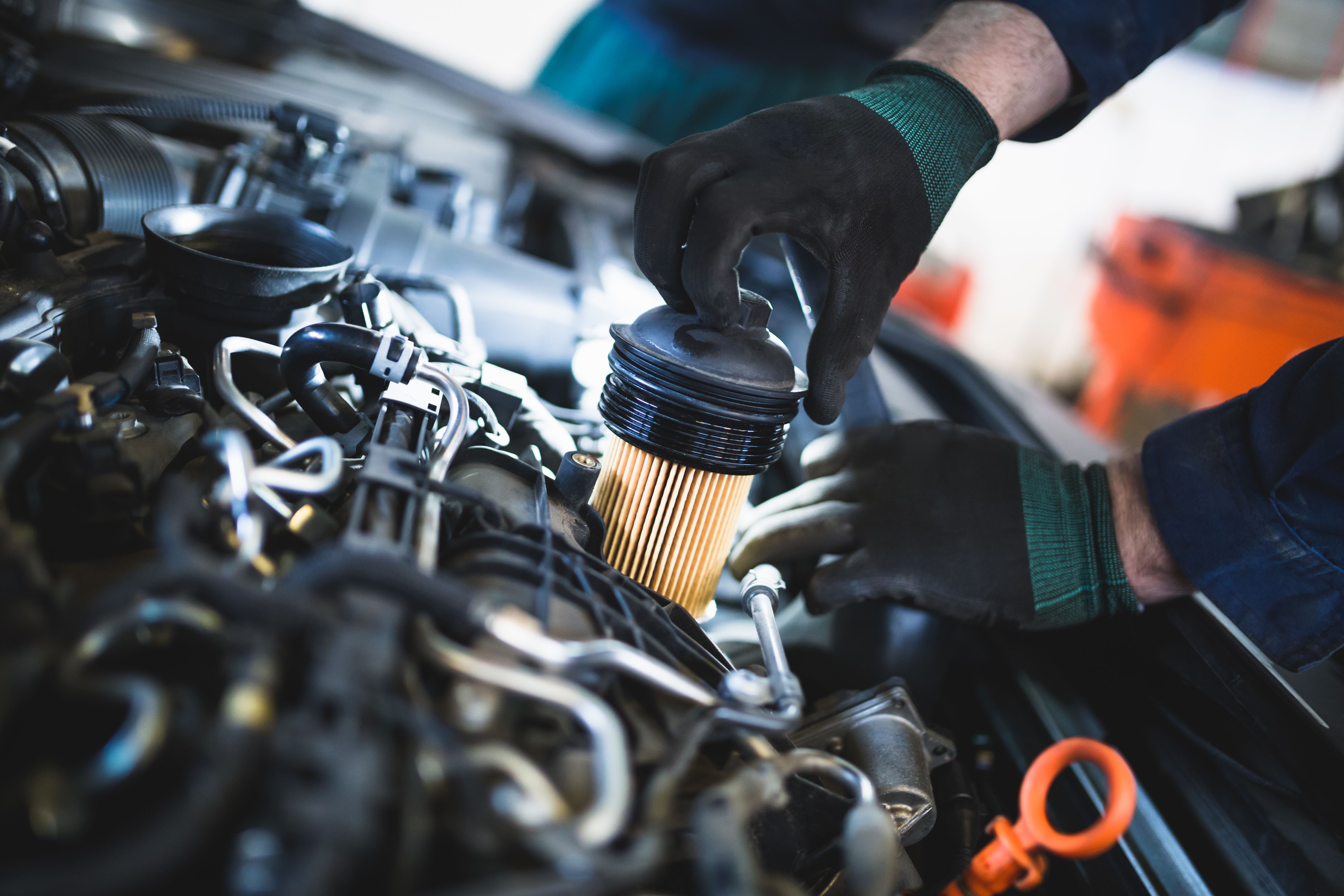
One of the most critical steps in preparing your diesel engine for seasonal changes is to inspect and replace filters. Clean air and fuel filters are vital for optimal engine performance. During spring and fall, pollen and debris can clog these filters, reducing efficiency.
Regularly changing air and fuel filters ensures that your engine breathes well and receives the clean fuel it needs. This simple maintenance task can prevent costly repairs down the line and improve fuel economy.
Steps to Replace Filters
- Locate the air and fuel filters in your engine.
- Remove the old filters carefully to avoid debris falling into the engine.
- Install new filters, ensuring they fit securely.
- Dispose of old filters responsibly.
Monitoring Fluid Levels
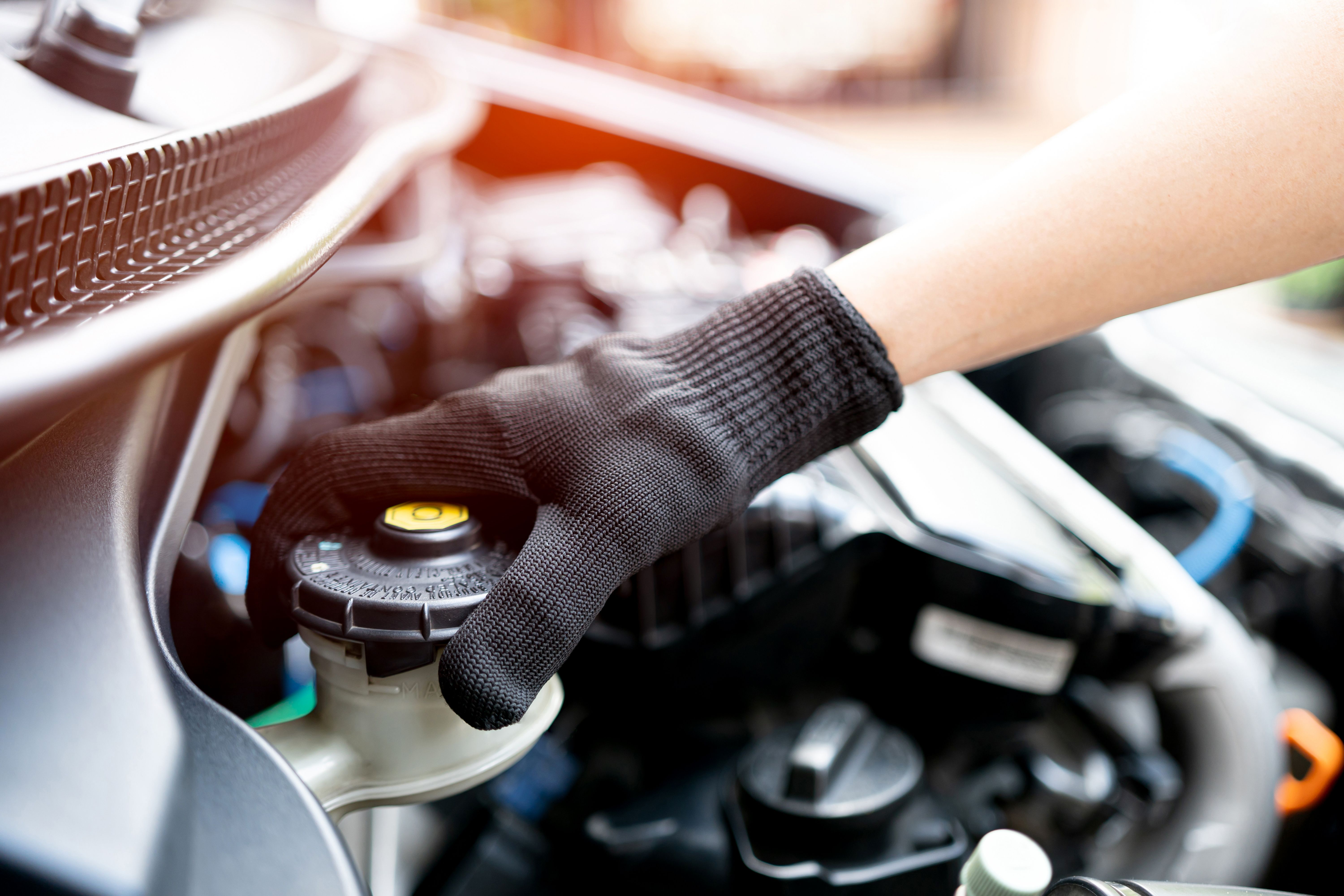
Fluid levels are crucial for maintaining the efficiency of your diesel engine. As temperatures fluctuate, fluids can expand or contract, impacting performance. Regularly check the levels of oil, coolant, and transmission fluid.
During winter, use a winter-grade oil to ensure proper viscosity. In hotter months, ensure your coolant is effective to prevent overheating. These adjustments help maintain a stable engine temperature year-round.
Essential Fluids to Check
- Engine Oil
- Coolant
- Transmission Fluid
- Brake Fluid
Battery Maintenance
Temperature extremes can significantly impact your battery's performance. Cold weather can reduce battery capacity, while heat can cause fluid evaporation. Regularly inspect your battery for signs of corrosion and ensure the terminals are clean and secure.
Consider testing your battery's charge level as part of your seasonal maintenance routine. Doing so will help you avoid unexpected breakdowns and keep your vehicle running smoothly.
Conclusion
Preparing your diesel engine for seasonal changes in California involves routine inspections and timely maintenance. By paying attention to filters, fluid levels, and battery health, you can ensure your engine performs optimally through any weather condition. Regular maintenance is key to extending the life of your diesel engine and ensuring it operates efficiently.