Expert Insights: Common Diesel Engine Issues and How to Avoid Them
Understanding Diesel Engine Issues
Diesel engines are known for their efficiency and durability, but like any mechanical system, they can experience problems. Understanding common diesel engine issues can help you prevent them and maintain optimal performance. Whether you're a seasoned mechanic or a diesel enthusiast, keeping an eye on potential issues is crucial.
Fuel Contamination
One of the most common issues with diesel engines is fuel contamination. Contaminants such as water, dirt, and microbes can enter the fuel system, leading to clogs and inefficient combustion. To prevent this, regularly check and replace fuel filters and ensure that your fuel sources are clean and reputable.
Using fuel additives can also help mitigate the risk of contamination by breaking down water particles and preventing microbial growth. Investing in quality fuel is essential for maintaining the health of your diesel engine.
Injector Problems
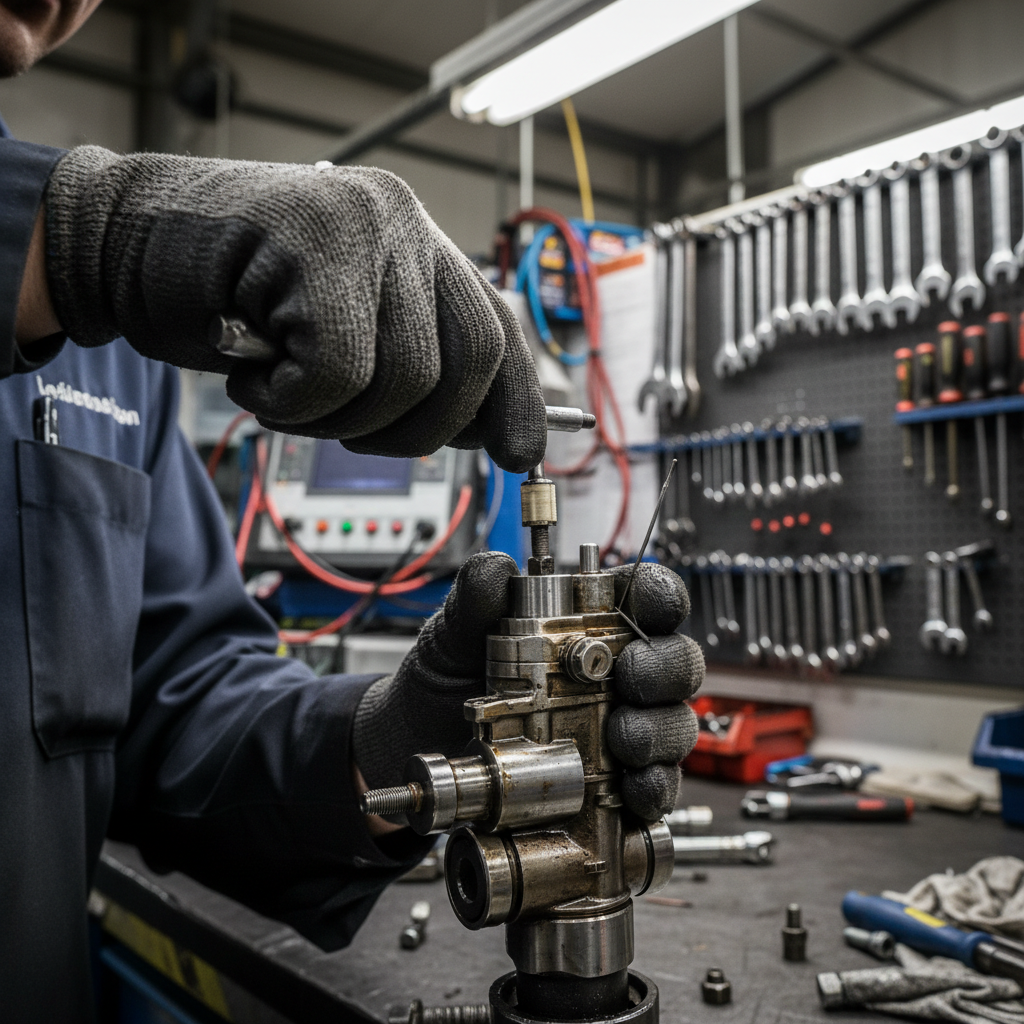
Diesel injectors play a crucial role in delivering fuel into the engine. Over time, they can become clogged or damaged, leading to reduced engine performance and fuel efficiency. Symptoms of injector issues include rough idling, poor acceleration, and increased exhaust smoke.

Regular maintenance and cleaning of injectors can prevent these problems. If you notice any symptoms, it's wise to consult a professional who can diagnose and resolve injector issues before they escalate.
Overheating
Overheating is a serious problem that can cause significant damage to a diesel engine. It is often caused by issues with the cooling system, such as a malfunctioning thermostat, clogged radiator, or low coolant levels. Regular inspection of the cooling system is essential to avoid overheating.
- Check coolant levels regularly.
- Inspect hoses and radiator for leaks.
- Ensure the fan is functioning properly.
Glow Plug Malfunctions
Glow plugs are essential for starting a diesel engine, especially in cold weather. Malfunctions can lead to hard starts or failure to start at all. If you experience difficulty starting your engine in cold conditions, it may be a sign that the glow plugs need attention.

Replacing glow plugs is typically straightforward, but it's advisable to follow the manufacturer's guidelines or consult with a professional to ensure correct installation.
Turbocharger Failures
Turbochargers boost engine power and efficiency, but they can fail due to oil contamination or lack of lubrication. Symptoms of a failing turbocharger include a whining noise, loss of power, or excessive exhaust smoke. To prolong the life of your turbocharger, ensure regular oil changes and use high-quality oil.
If you suspect turbocharger issues, addressing them promptly can prevent more extensive engine damage and costly repairs.
Conclusion
Preventing diesel engine issues requires vigilance and regular maintenance. By understanding common problems and taking proactive steps, you can ensure your diesel engine runs smoothly and efficiently. Whether it's keeping fuel clean or maintaining the cooling system, these insights can help you avoid costly repairs and prolong the life of your engine.