DIY Tips for Basic Diesel Engine Troubleshooting
Understanding Your Diesel Engine
Diesel engines are known for their durability and efficiency. However, like any machinery, they can experience issues. Understanding the basics of diesel engine troubleshooting can save you time and money. This guide will walk you through some essential tips to keep your engine running smoothly.
Common Diesel Engine Problems
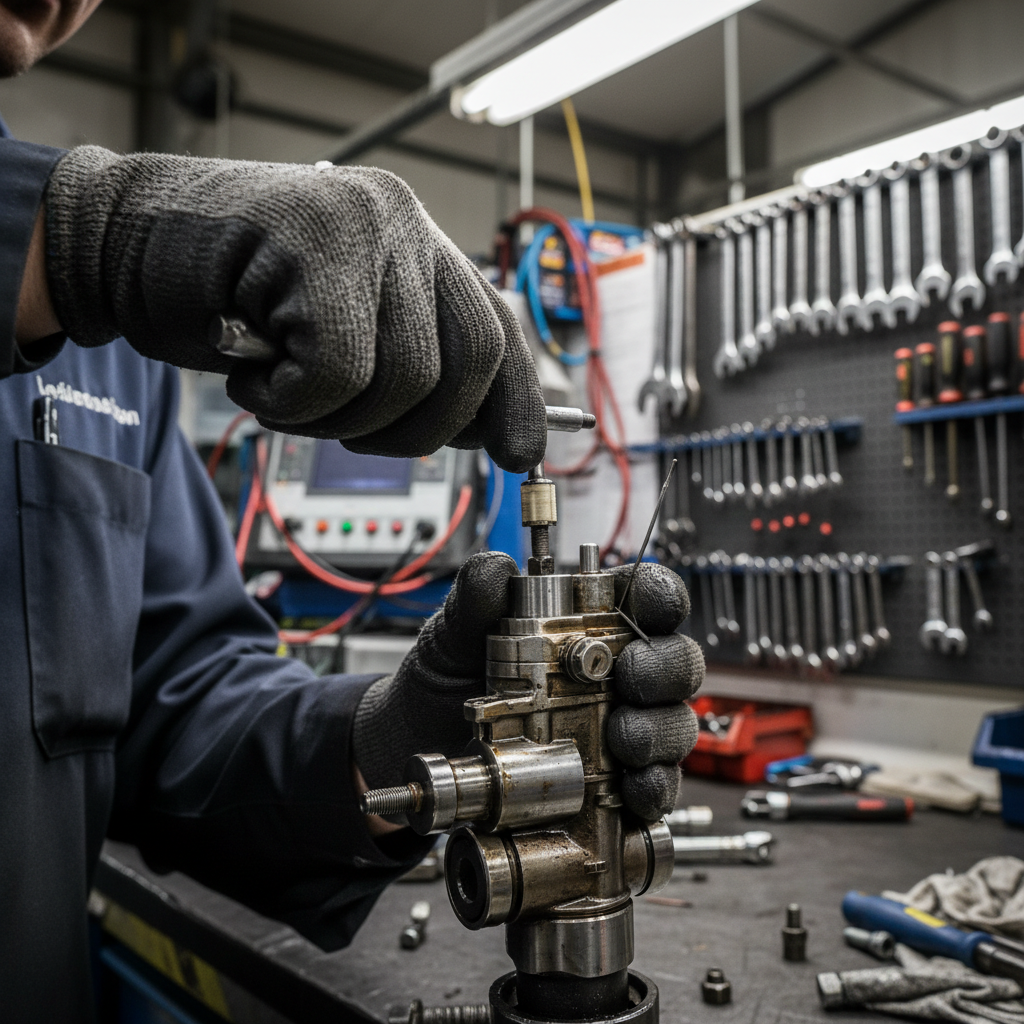
Before diving into troubleshooting, it’s crucial to know some common problems. Diesel engines often face issues like hard starting, excessive smoke, or power loss. Recognizing these symptoms early can help prevent more significant problems down the line.
Hard starting can be due to various factors, including faulty glow plugs or fuel delivery issues. Excessive smoke, on the other hand, could indicate an air or fuel imbalance, while power loss might relate to clogged filters or injector problems.
Basic Troubleshooting Steps
Check Fuel System
Your first step should always be to check the fuel system. Ensure there’s enough fuel in the tank and inspect the fuel lines for leaks or blockages. Sometimes, replacing a fuel filter can resolve many performance issues.
It’s also essential to verify that the fuel pump is working correctly. A malfunctioning fuel pump can lead to inadequate fuel delivery, causing the engine to underperform.
Inspect the Air System
A clean air system is vital for efficient engine performance. Make sure the air filter is clean and free from debris. A clogged air filter can reduce airflow, leading to poor combustion and increased emissions.
Additionally, check for any leaks or damage in the air intake system. This can affect the engine’s ability to draw in air properly, impacting its overall operation.
Electrical System Check
Glow Plugs and Battery
Glow plugs are crucial for starting a diesel engine, especially in cold conditions. If the engine struggles to start, inspect the glow plugs for wear or damage and replace them if necessary. A weak or dead battery can also cause starting problems, so ensure it’s fully charged and functioning correctly.
Examine the Exhaust System
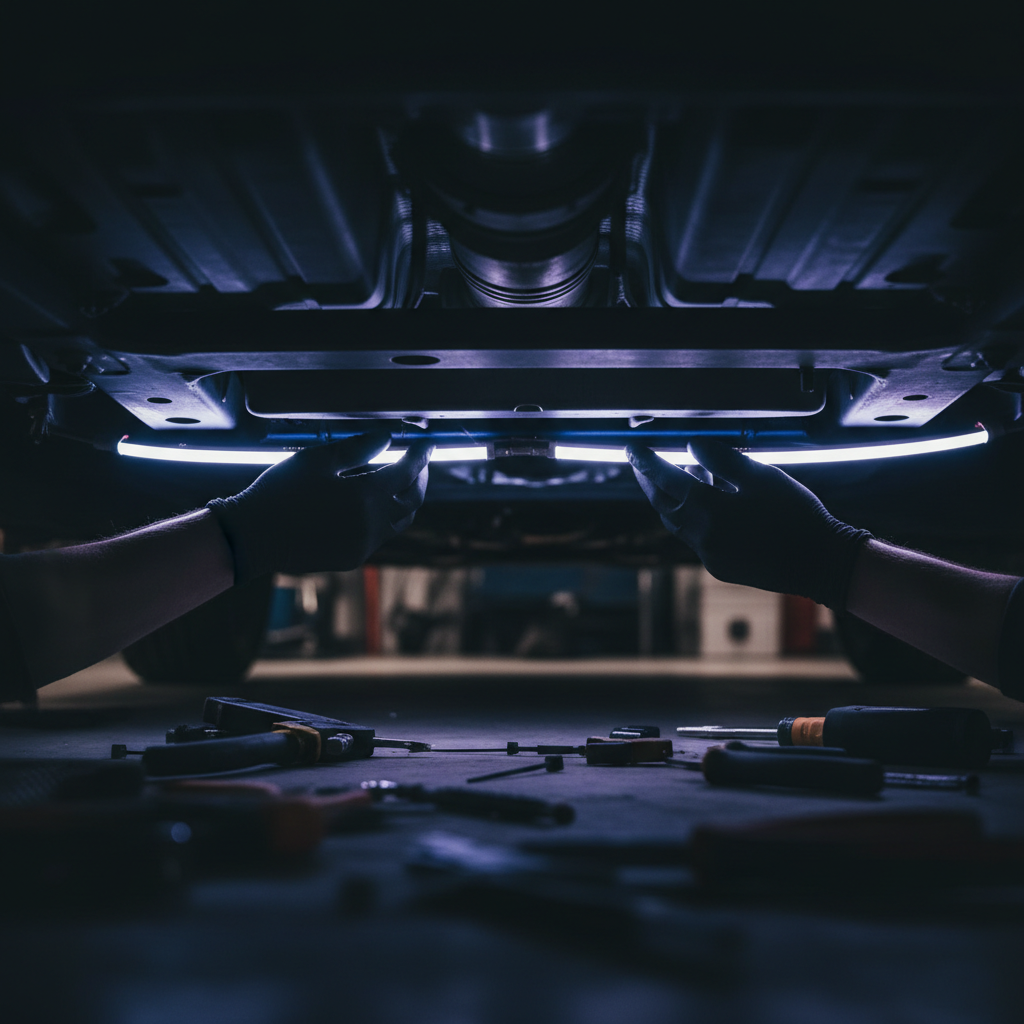
The exhaust system should be free of blockages and leaks. A restricted exhaust can lead to excessive back pressure, reducing engine efficiency. Regularly inspect the exhaust manifold and muffler for any signs of wear or damage.
By following these basic troubleshooting steps, you can address many common diesel engine issues. Regular maintenance and inspections are key to keeping your engine in top condition. Remember, when in doubt, it’s always best to consult with a professional mechanic.