DIY Diesel Engine Troubleshooting: Tips from the Experts
Understanding the Basics of Diesel Engines
Diesel engines are known for their durability and efficiency, making them a popular choice for many vehicle owners. However, like any machinery, they can encounter issues. Understanding the basics of how diesel engines work is the first step in effective troubleshooting. Diesel engines operate by compressing air to a high temperature to ignite the fuel, which means they don't rely on spark plugs like gasoline engines.
Common Diesel Engine Problems
Hard Starting or Failure to Start
If your diesel engine is having trouble starting, the issue could be related to several factors. Common culprits include problems with the fuel system, such as clogged filters or air in the fuel lines. Ensuring that your battery is fully charged and the connections are clean can also solve starting issues.
Excessive Smoke
Diesel engines are notorious for producing smoke, but excessive smoke can indicate a problem. Black smoke typically means there is too much fuel being burned, possibly due to a faulty injector. Blue smoke could indicate oil burning, which might be a sign of worn piston rings or valve seals. White smoke usually means unburned fuel, often due to low compression or a timing issue.

DIY Troubleshooting Tips
Check the Fuel System
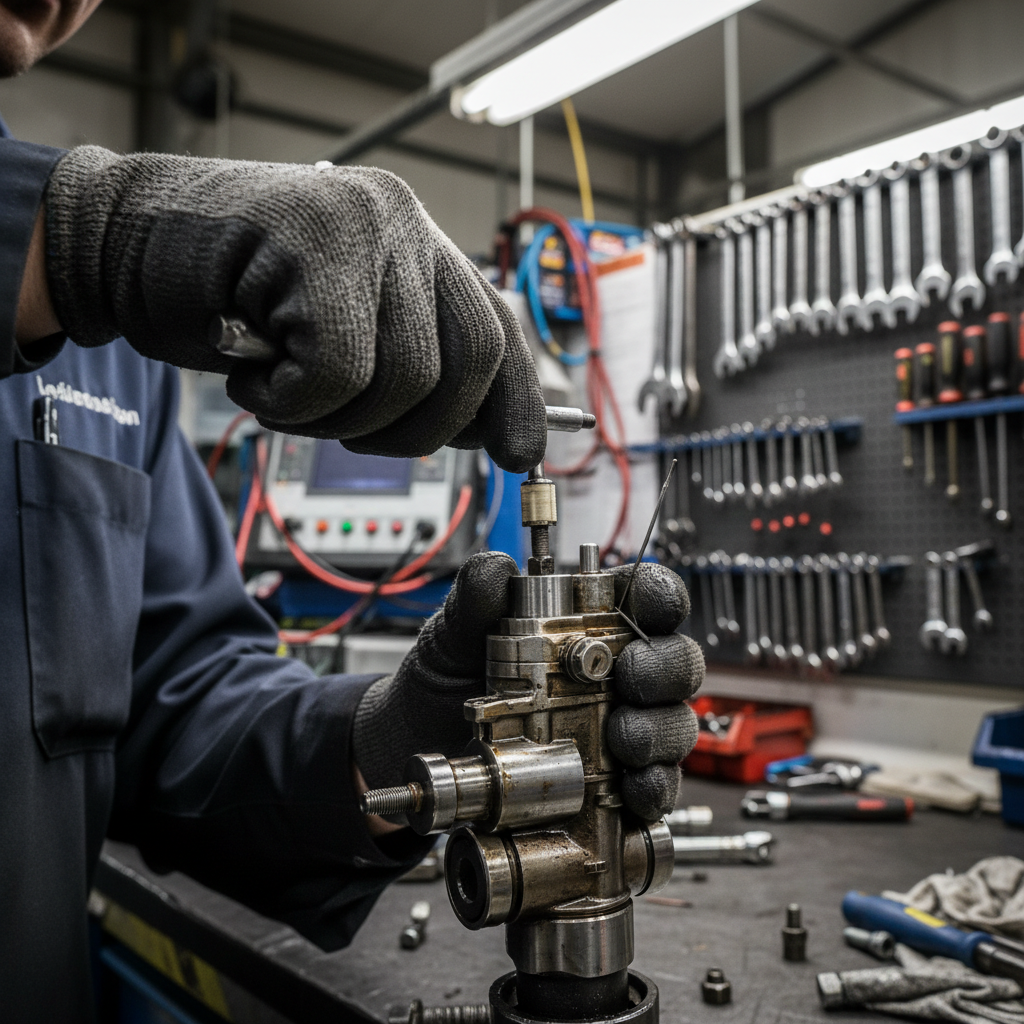
The fuel system is a common source of trouble for diesel engines. Start by checking the fuel filter and replacing it if necessary. Make sure there are no leaks in the fuel lines and that the fuel tank is free of water contamination. Bleeding the fuel system to remove air can also resolve many issues.
Inspect the Air Intake and Exhaust
A blocked air filter can restrict airflow, leading to poor engine performance. Replace or clean air filters regularly to ensure proper airflow. Also, check the exhaust system for blockages, as this can cause excessive backpressure and reduce engine efficiency.
Maintaining Your Diesel Engine
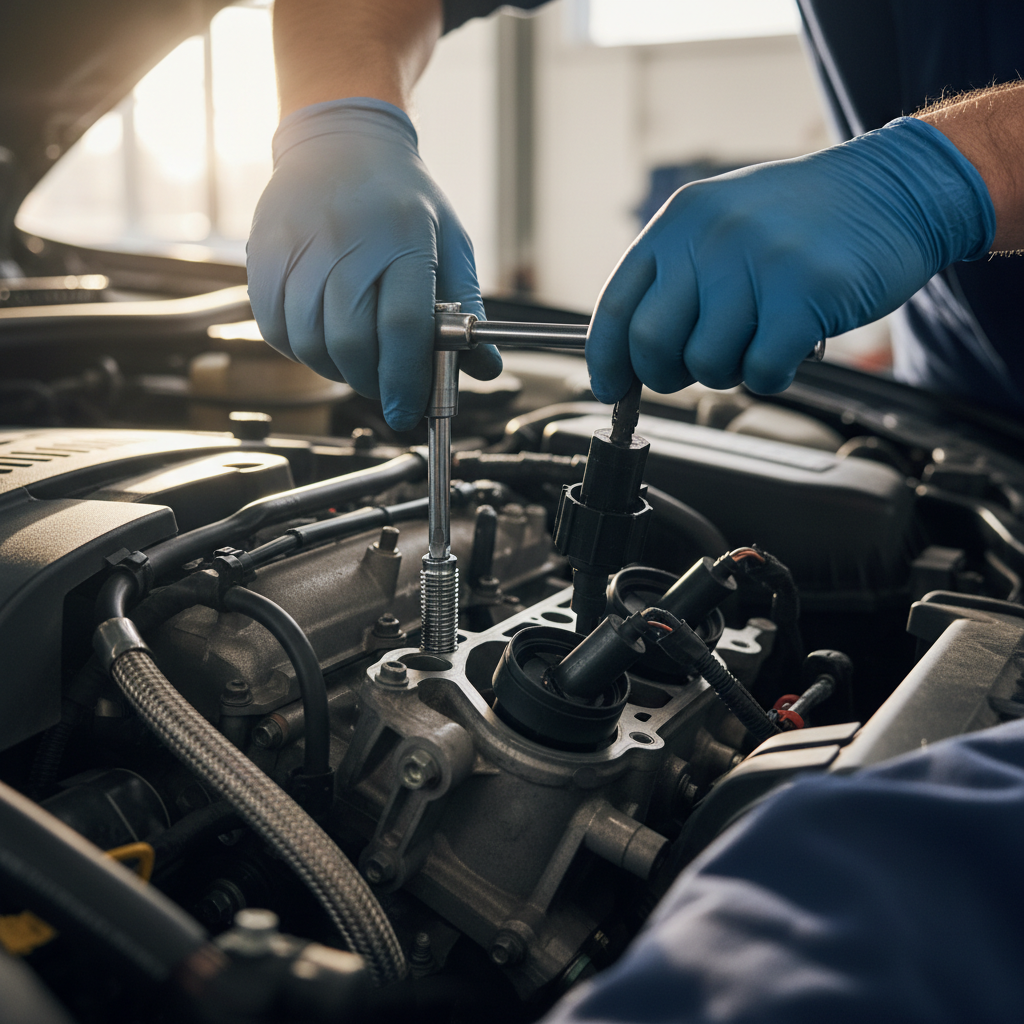
Regular maintenance is key to preventing problems before they start. Routine oil changes, fuel filter replacements, and regular inspections of belts and hoses will keep your engine running smoothly. Pay close attention to the manufacturer's recommendations for service intervals.
Use Quality Fuel and Additives
Using high-quality diesel fuel can make a significant difference in engine performance. Consider using fuel additives designed to clean the injectors and improve combustion efficiency. These additives can also help reduce deposits and prevent corrosion in the fuel system.
When to Consult a Professional
While DIY troubleshooting can resolve many common issues, there are times when professional help is necessary. If you've tried the above tips and your engine still isn't performing properly, it may be time to consult an expert. Persistent issues like unusual noises, vibrations, or persistent smoke should not be ignored, as they could indicate serious underlying problems.
By understanding the basics of diesel engine operation and following these troubleshooting tips, you can save time and money while keeping your engine in top condition. However, don't hesitate to seek professional assistance when needed to ensure the longevity and reliability of your diesel engine.