DIY Diesel Engine Maintenance: Tips from the Experts
Understanding Your Diesel Engine
Diesel engines are known for their durability and efficiency, making them a popular choice for a variety of vehicles. However, like all engines, they require regular maintenance to perform at their best. Understanding the basic components and functions of your diesel engine is the first step in effective maintenance.
Key components include the fuel system, air intake, exhaust, and cooling systems. Each plays a crucial role in engine performance. Regular checks and maintenance can prevent common issues such as poor fuel efficiency or engine overheating.
Regular Oil Changes
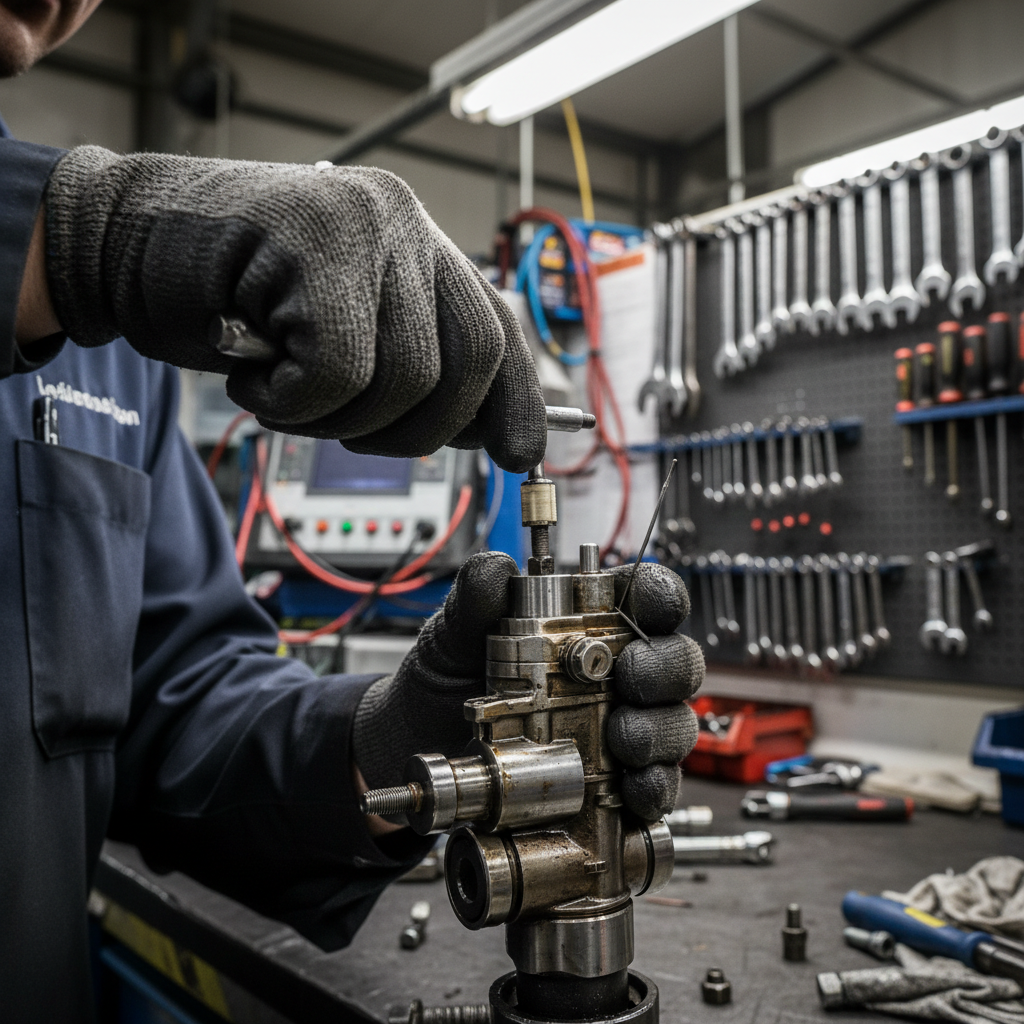
One of the most important maintenance tasks for a diesel engine is regular oil changes. Diesel engines operate under high pressure and heat, which can break down oil faster than in gasoline engines. It's essential to use the correct oil type and change it according to your vehicle's manual.
Regular oil changes help maintain engine lubrication, reduce wear and tear, and prolong the engine's lifespan. Check the oil levels frequently and look for any signs of contamination, such as soot or debris.
Inspecting the Fuel System
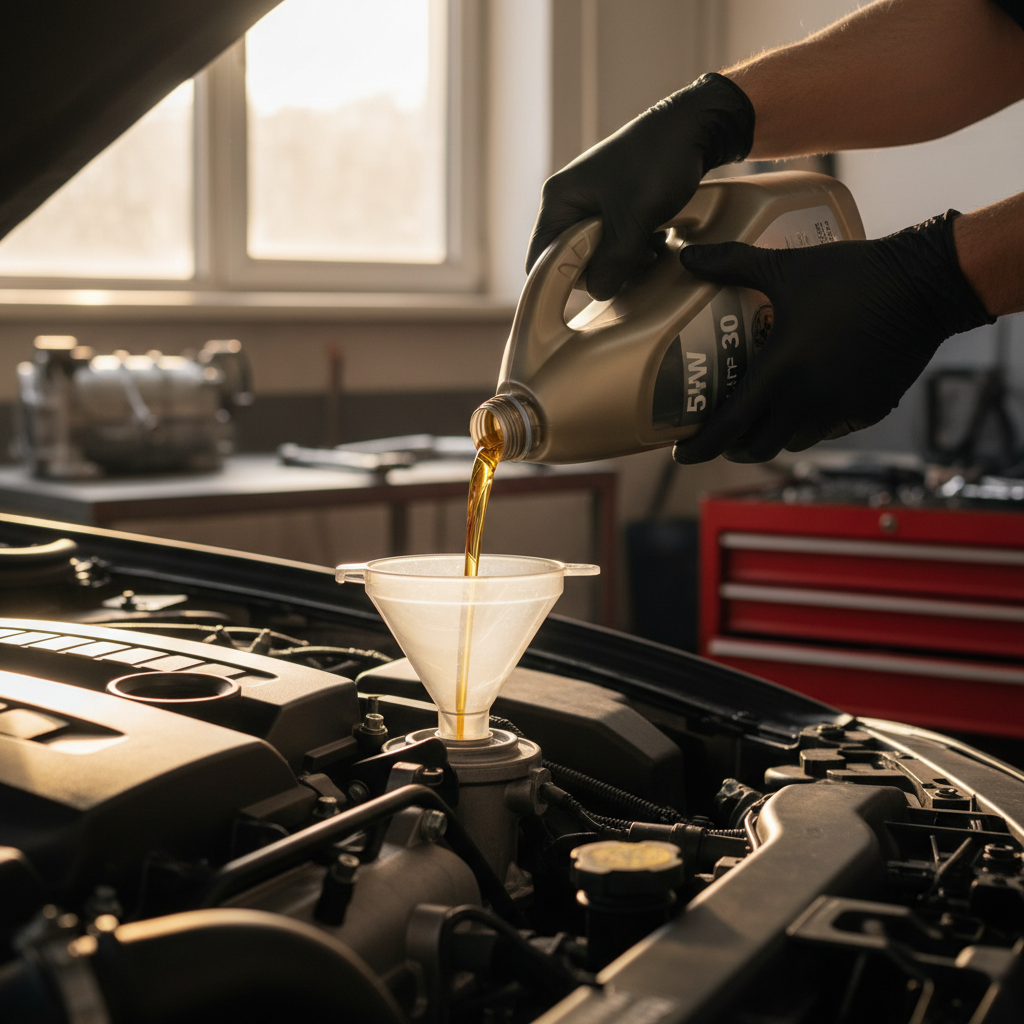
The fuel system in a diesel engine is critical for proper operation. Diesel engines rely on a high-pressure fuel injection system. Regularly check for leaks, and ensure the fuel filter is clean and replaced as needed. A clogged filter can restrict fuel flow, leading to performance issues.
Air and Exhaust System Maintenance
The air intake and exhaust systems are vital for engine efficiency. Inspect the air filter regularly and replace it when dirty. A clean air filter ensures optimal airflow and prevents dirt and debris from entering the engine.
The exhaust system should also be checked for blockages or leaks. A faulty exhaust can affect engine performance and increase emissions. Regular inspections can help detect problems early.
Cooling System Care
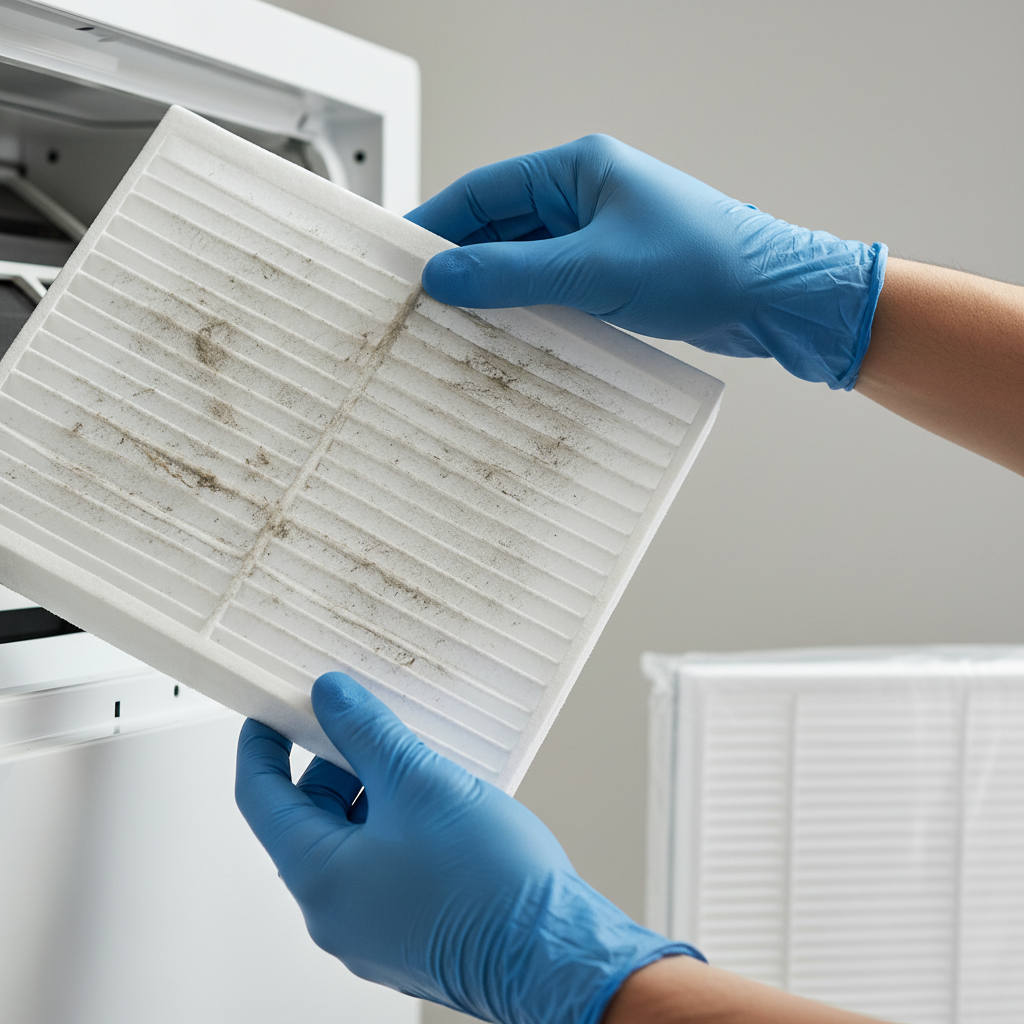
The cooling system keeps the engine from overheating. Regularly check the coolant levels and inspect hoses for cracks or leaks. It's crucial to use the right type of coolant and replace it according to the manufacturer's recommendations.
Flushing the cooling system can remove buildup and improve efficiency. Ensure the radiator is functioning properly, as it plays a key role in dissipating heat.
Battery Maintenance
Diesel engines require a strong battery for starting. Check the battery terminals for corrosion and ensure they are clean and tight. Regularly test the battery's charge and replace it if it's not holding a charge effectively.

Conclusion
DIY diesel engine maintenance is not only cost-effective but also empowering. By understanding the key components and following regular maintenance routines, you can keep your engine running smoothly. Remember to consult your vehicle's manual for specific guidelines and consider seeking professional help for complex issues.