DIY Diesel Engine Maintenance: Tips from Soto's Experts
Introduction to DIY Diesel Engine Maintenance
Diesel engines are renowned for their durability and efficiency, making them a popular choice for vehicles and machinery. However, like any engine, they require regular maintenance to perform at their best. At Soto's, we believe in empowering diesel engine owners with essential maintenance knowledge. With some basic tools and guidance, you can keep your engine running smoothly.
Understanding the Basics
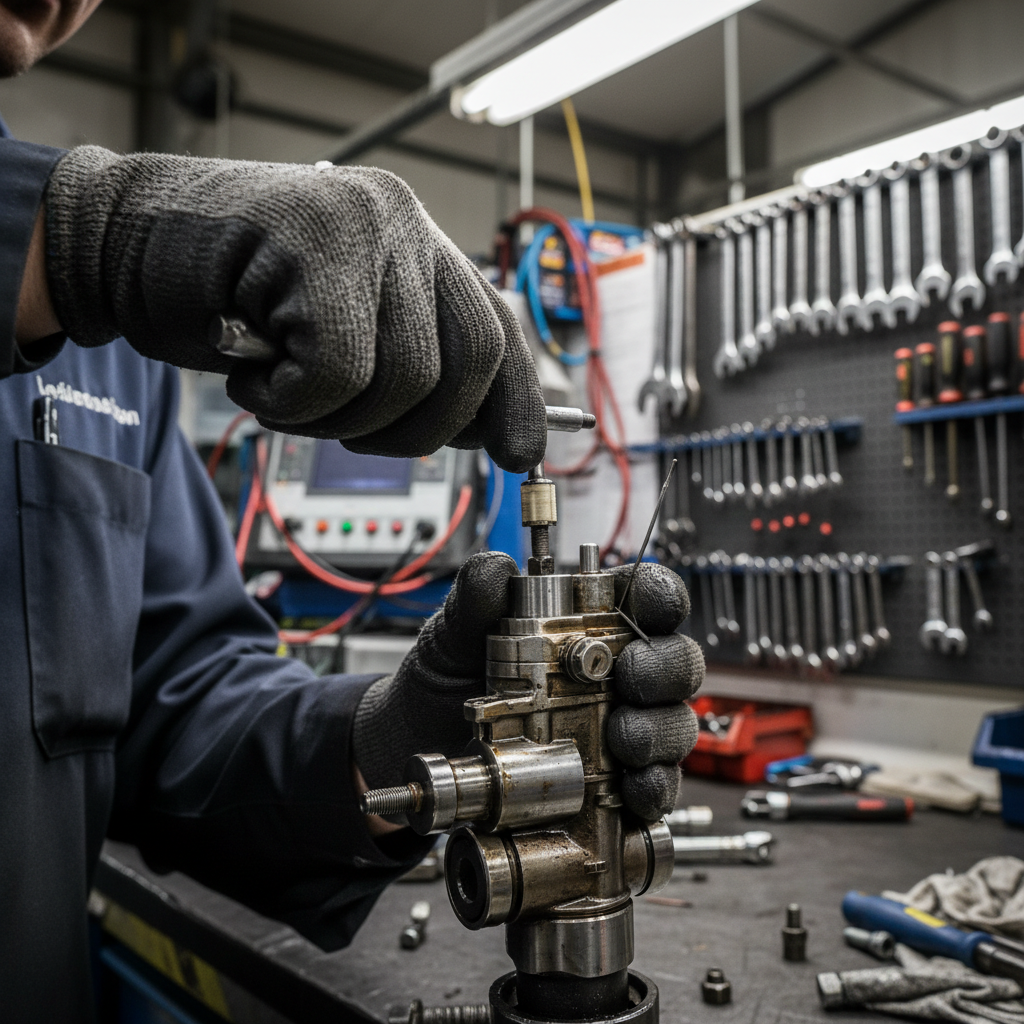
Before diving into maintenance, it's crucial to understand the fundamentals of how a diesel engine operates. Unlike gasoline engines, diesel engines rely on compression to ignite the fuel, which makes them more efficient and powerful. Knowing this difference helps in understanding the unique maintenance needs of diesel engines.
Key components such as fuel filters, air filters, and oil systems require regular inspection. Keeping these parts in good condition ensures optimal performance and longevity of your engine.
Regular Oil Changes
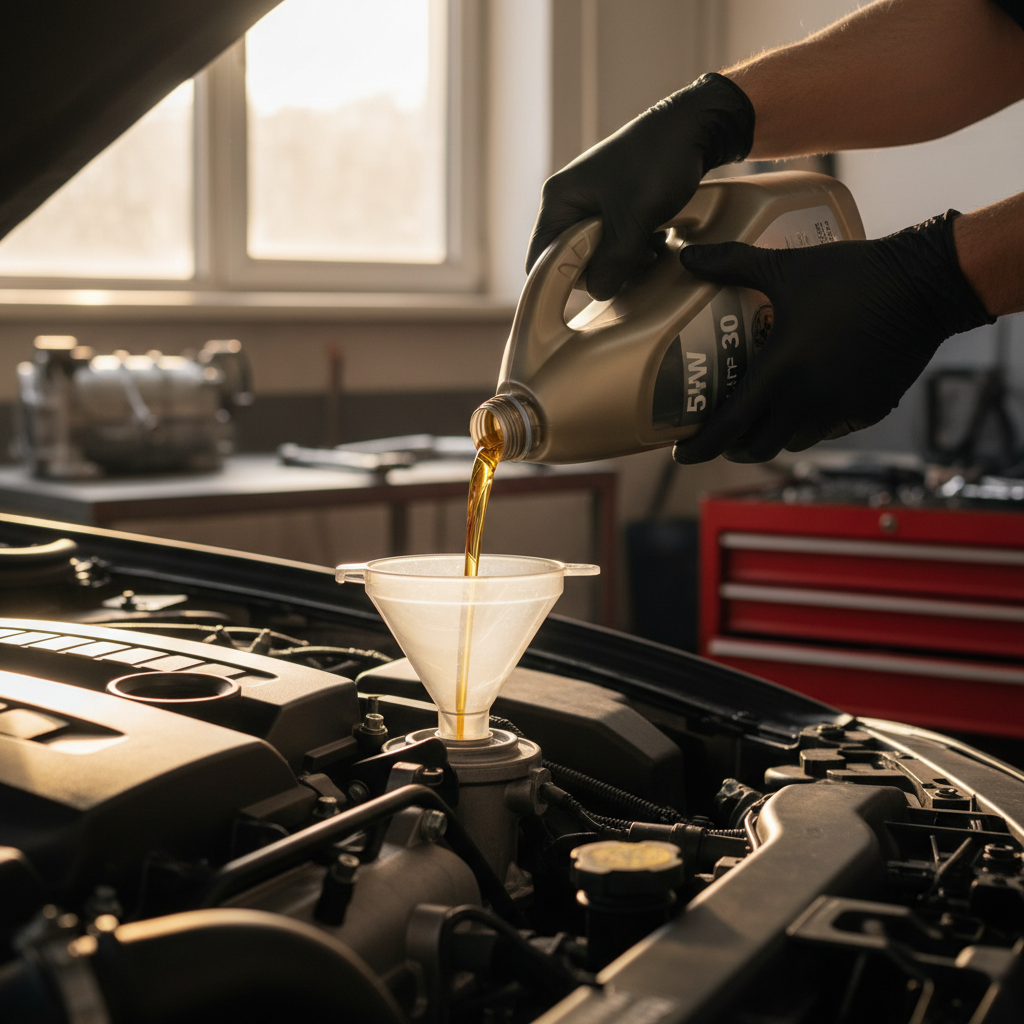
Oil is the lifeblood of any engine, and diesel engines are no exception. Regular oil changes are vital for preventing wear and tear. It's recommended to change the oil every 5,000 to 7,000 miles, depending on your specific engine model and usage conditions. Always use high-quality oil designed for diesel engines.
Fuel System Maintenance
Diesel engines are particularly sensitive to fuel quality. Dirty or contaminated fuel can lead to severe engine problems. Regularly replacing the fuel filter is crucial to prevent blockages and maintain fuel efficiency. Additionally, using a fuel additive can help clean the system and improve performance.
- Replace fuel filters every 10,000 to 15,000 miles.
- Consider using a diesel fuel additive for better engine health.
Taking Care of the Air Filter
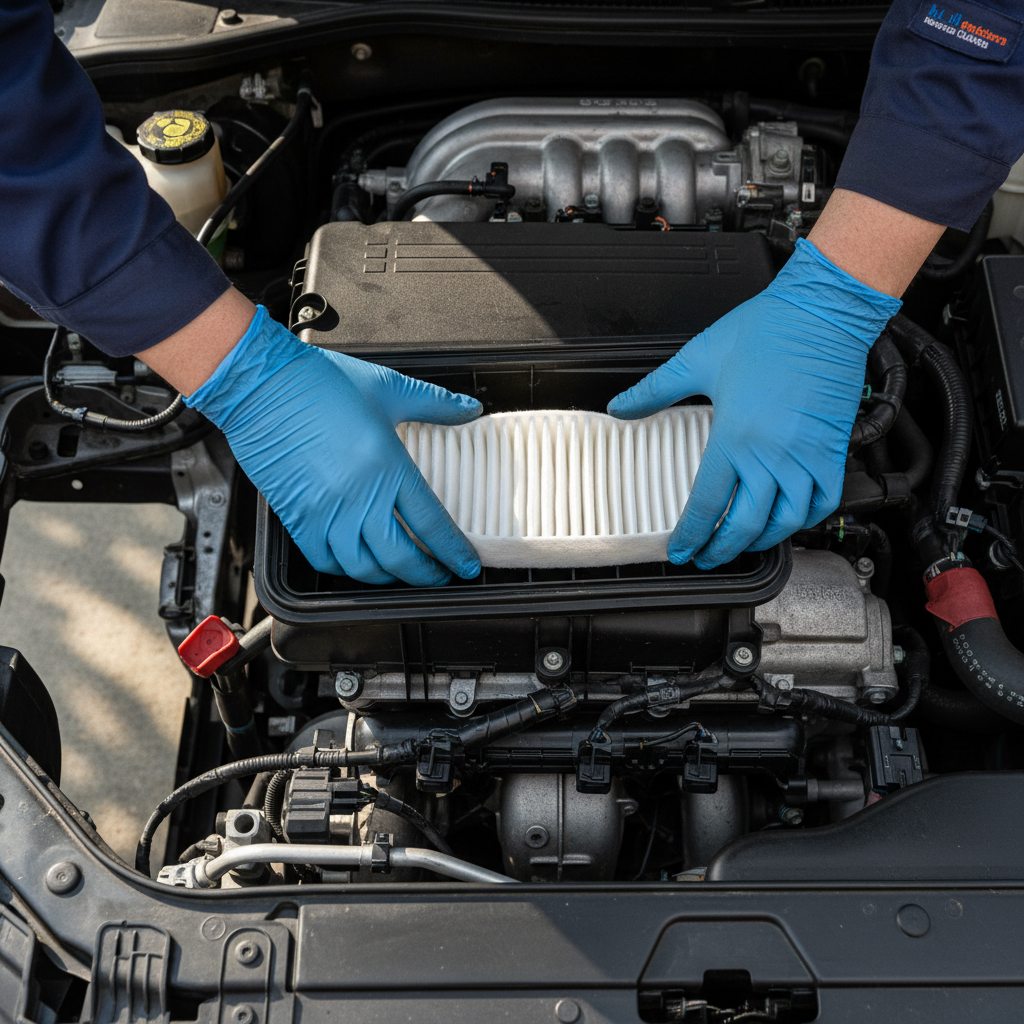
The air filter plays a crucial role in protecting your engine from dust and debris. A clogged air filter can significantly reduce engine efficiency and power. Inspect the air filter every 12,000 miles and replace it if necessary. In dusty environments, more frequent checks may be required.
Cooling System Checks
The cooling system is essential for preventing overheating, which can cause significant engine damage. Regularly check the coolant levels and inspect hoses and belts for any signs of wear or leaks. Flushing the cooling system every two years helps maintain its efficiency.
Ensuring the radiator and cooling fins are clean and unobstructed will also aid in optimal heat dissipation.
Inspecting the Exhaust System
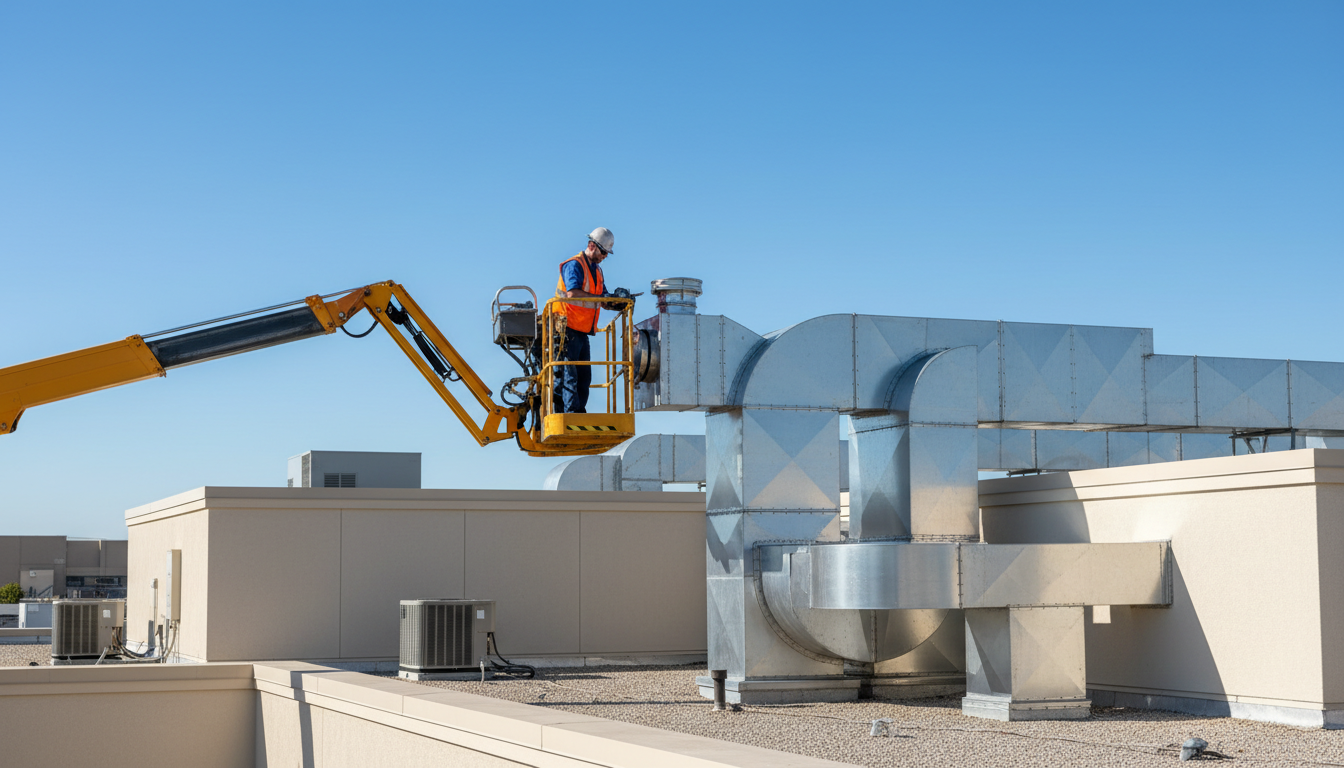
A healthy exhaust system is vital for reducing emissions and ensuring engine efficiency. Regularly inspect the exhaust for any leaks or damage. Listen for unusual sounds, such as hissing or loud engine noises, which could indicate an exhaust issue.
Conclusion: Staying Proactive
Regular maintenance of your diesel engine not only extends its lifespan but also enhances its performance and fuel efficiency. By following these expert tips from Soto's, you can tackle most maintenance tasks yourself, saving time and money. Always consult your engine's manual for specific guidelines and, when in doubt, seek professional assistance.