Diesel Engine Innovations: Latest Trends and Technologies
Introduction to Diesel Engine Innovations
The diesel engine has come a long way since its invention by Rudolf Diesel in the late 19th century. Recent innovations have significantly improved efficiency, emissions, and performance, ensuring that diesel technology remains a vital part of the global energy landscape.
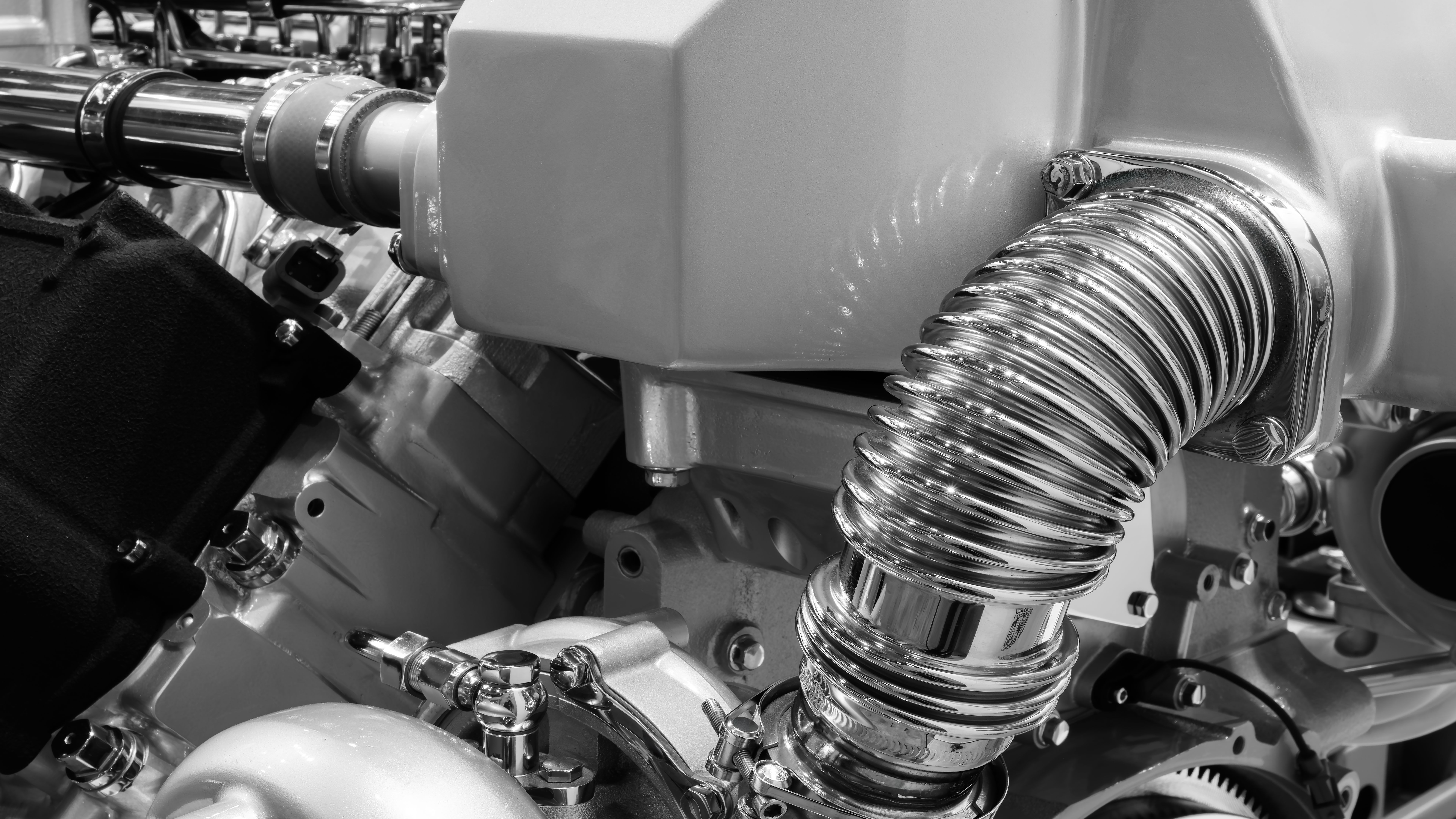
Advanced Emission Control
One of the most significant trends in diesel engine technology is the development of advanced emission control systems. These innovations are designed to reduce harmful pollutants, such as nitrogen oxides (NOx) and particulate matter (PM), which are common by-products of diesel combustion.
Technologies like diesel particulate filters (DPFs) and selective catalytic reduction (SCR) systems have become standard in modern diesel engines. These systems work together to ensure compliance with stringent environmental regulations, making diesel engines greener than ever before.

Fuel Efficiency Improvements
Improving fuel efficiency is a constant goal in diesel engine development. Innovations such as turbocharging and common rail direct fuel injection have drastically increased the efficiency of diesel engines. These technologies allow for more precise control of fuel delivery and combustion, resulting in better fuel economy.
Moreover, the integration of hybrid systems with diesel engines is becoming increasingly popular. By combining the power of diesel with the efficiency of electric propulsion, hybrid systems can achieve outstanding fuel savings.
Advanced Materials and Design
The use of advanced materials and design techniques is reshaping diesel engine construction. Lightweight materials, such as aluminum and carbon composites, reduce engine weight and improve overall performance. These materials also enhance thermal efficiency by better managing heat dissipation.

Digital Innovations and Connectivity
Digital technology is transforming diesel engines through enhanced connectivity and data analytics. Modern engines are equipped with sensors and IoT devices that provide real-time data on engine performance. This allows for predictive maintenance and optimization, reducing downtime and operational costs.
Telematics systems enable fleet managers to monitor vehicle performance remotely, ensuring that engines run at peak efficiency. This connectivity is a game-changer for industries relying on diesel-powered machinery.

Future Prospects
Looking ahead, the future of diesel engines is promising. Research into alternative fuels, such as biodiesel and synthetic diesel, is paving the way for more sustainable diesel solutions. These fuels can significantly reduce the carbon footprint of diesel engines while maintaining their robust performance.
In conclusion, diesel engine innovations continue to evolve, driven by the need for efficiency, sustainability, and performance. As these technologies develop, diesel engines will remain a crucial component of the global energy mix.