Debunking Myths: What You Need to Know About Diesel Engines
Understanding Diesel Engines
Diesel engines have long been a topic of debate among vehicle enthusiasts and environmentalists. While some people swear by their efficiency and power, others criticize them for their environmental impact. This blog post aims to debunk common myths surrounding diesel engines and provide you with the facts you need to make informed decisions.
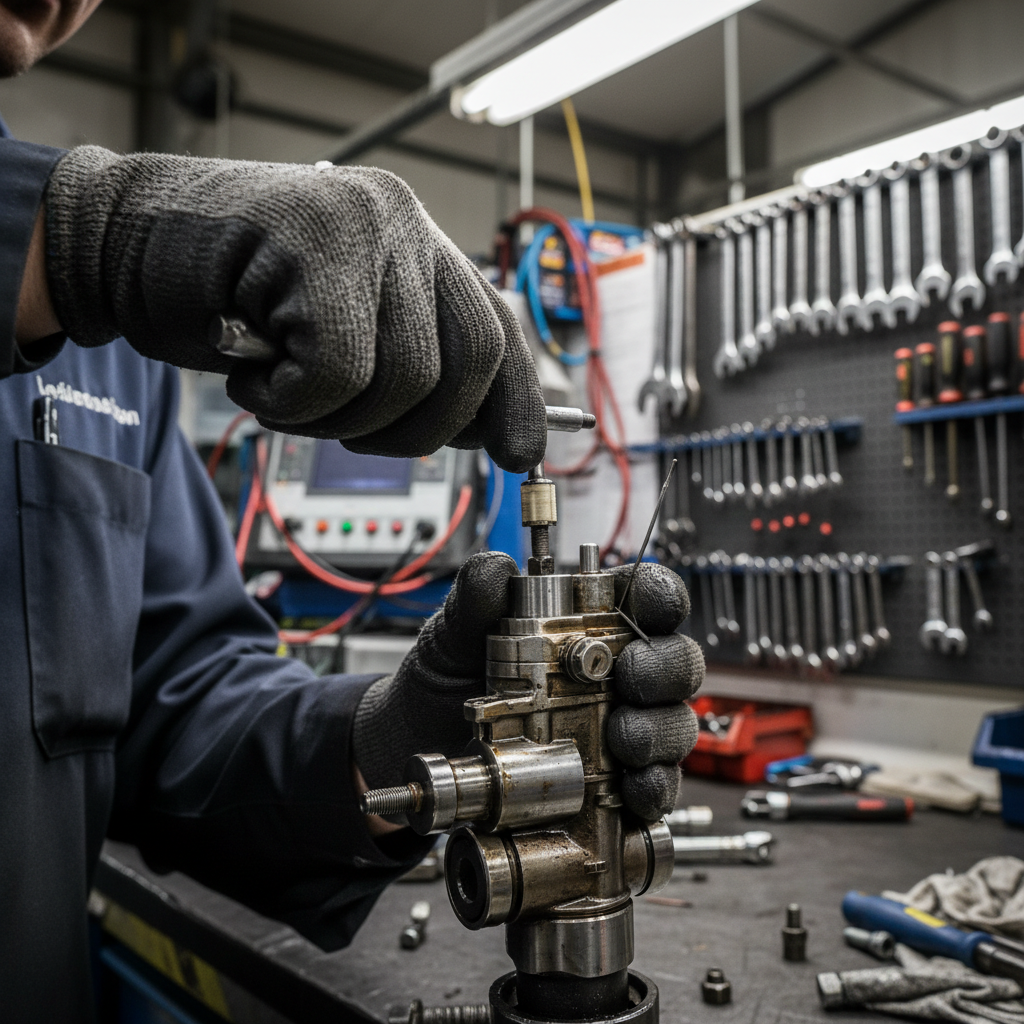
Myth 1: Diesel Engines Are Noisy and Smelly
One of the most persistent myths about diesel engines is that they are noisy and emit unpleasant odors. While this might have been true in the past, modern diesel engines are designed with advanced technologies that significantly reduce noise and emissions. Improved fuel injection systems and better engine designs mean that today's diesel engines run quietly and with minimal odor.
In fact, many drivers are surprised to find that modern diesel vehicles are comparable to their gasoline counterparts in terms of noise levels. The advancements in technology have made diesel engines much more refined and user-friendly.
Myth 2: Diesel Engines Are Bad for the Environment
Another common misconception is that diesel engines are worse for the environment than gasoline engines. However, diesel engines are often more fuel-efficient, which means they can produce lower carbon dioxide emissions over time. Additionally, new technologies, such as selective catalytic reduction and diesel particulate filters, have been developed to minimize harmful emissions.

It's important to note that while diesel engines do emit nitrogen oxides (NOx) and particulate matter, regulations have become stricter, pushing manufacturers to create cleaner and more efficient engines. This progress makes diesel engines a viable option for eco-conscious consumers.
Myth 3: Diesel Engines Are Only for Trucks
Many people associate diesel engines solely with trucks and heavy machinery, but this is far from the truth. Diesel engines are increasingly being used in a variety of vehicles, from compact cars to luxury sedans. The reason? Their unmatched torque and fuel efficiency make them an attractive choice for drivers looking for power and economy.

Manufacturers have recognized the versatility of diesel engines and are incorporating them into a broader range of vehicles, catering to diverse consumer needs and preferences.
Myth 4: Diesel Maintenance Is More Expensive
There's a belief that maintaining a diesel engine is more costly than a gasoline engine. While diesel engines may have higher initial costs for maintenance parts like fuel filters, they are generally more durable and require less frequent servicing. Diesel engines are built to withstand high levels of stress and pressure, which can lead to longer lifespans and reduced long-term maintenance costs.
Moreover, the robust nature of diesel engines often translates to better resale value, making them a smart investment for many drivers.

The Future of Diesel Engines
As technology continues to advance, diesel engines are becoming more efficient and environmentally friendly. Innovations such as hybrid diesel systems and alternative fuels are being explored to further enhance the performance and sustainability of diesel vehicles.
By understanding the realities of diesel engines and dispelling common myths, consumers can make more informed choices about their vehicles. Whether you're considering a diesel for its power, efficiency, or environmental benefits, it's clear that diesel engines have a promising future in the automotive industry.