Common Diesel Engine Issues and How to Prevent Them
Understanding Common Diesel Engine Issues
Diesel engines are known for their durability and efficiency, making them a popular choice for many vehicles and machinery. However, like any mechanical system, they are not immune to problems. Understanding these common issues and knowing how to prevent them can save you time and money in the long run.
Fuel Contamination
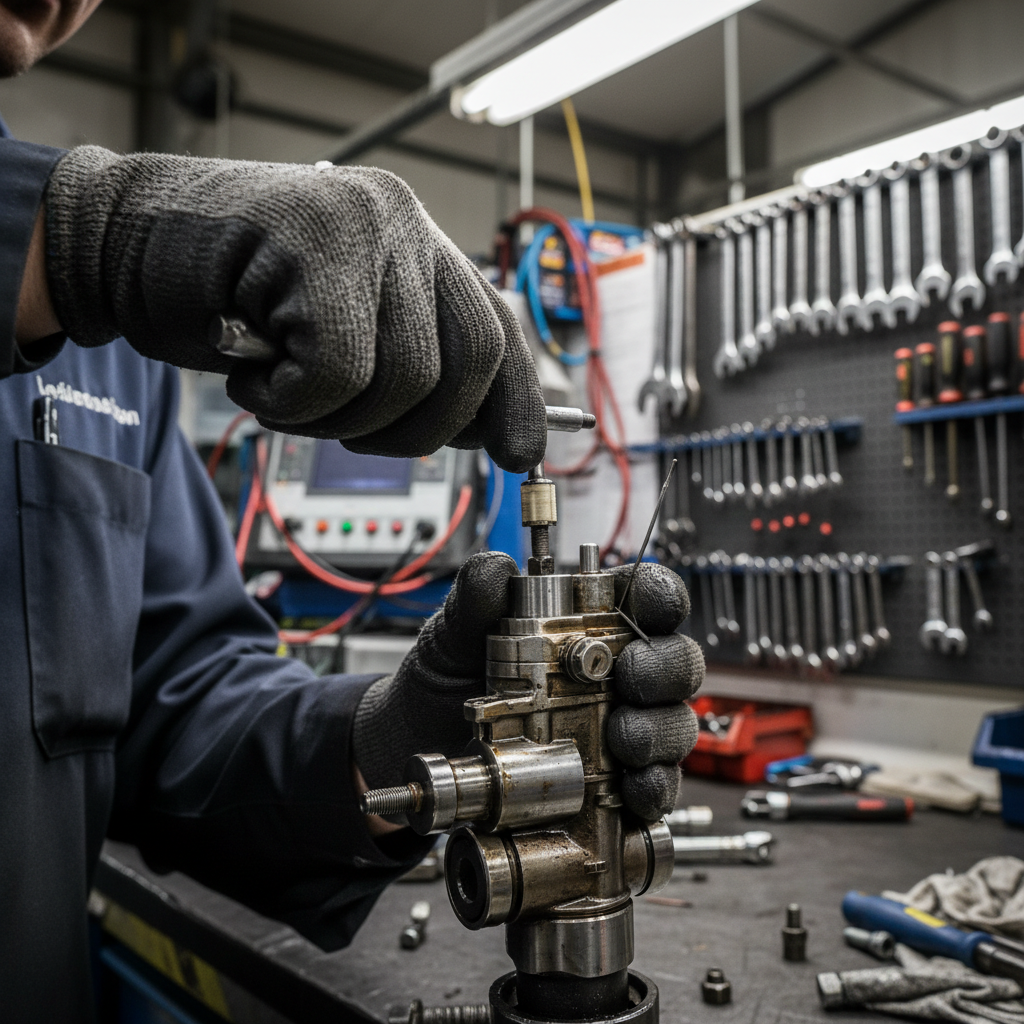
Fuel contamination is one of the most prevalent issues faced by diesel engines. Contaminants such as water, dirt, and other debris can enter the fuel system, leading to clogged filters and injectors. This can cause poor engine performance or even complete failure.
To prevent fuel contamination, ensure that you are using high-quality fuel and regularly changing fuel filters. Installing a secondary fuel filter can also help catch contaminants before they reach the engine.
Blocked Diesel Particulate Filter (DPF)
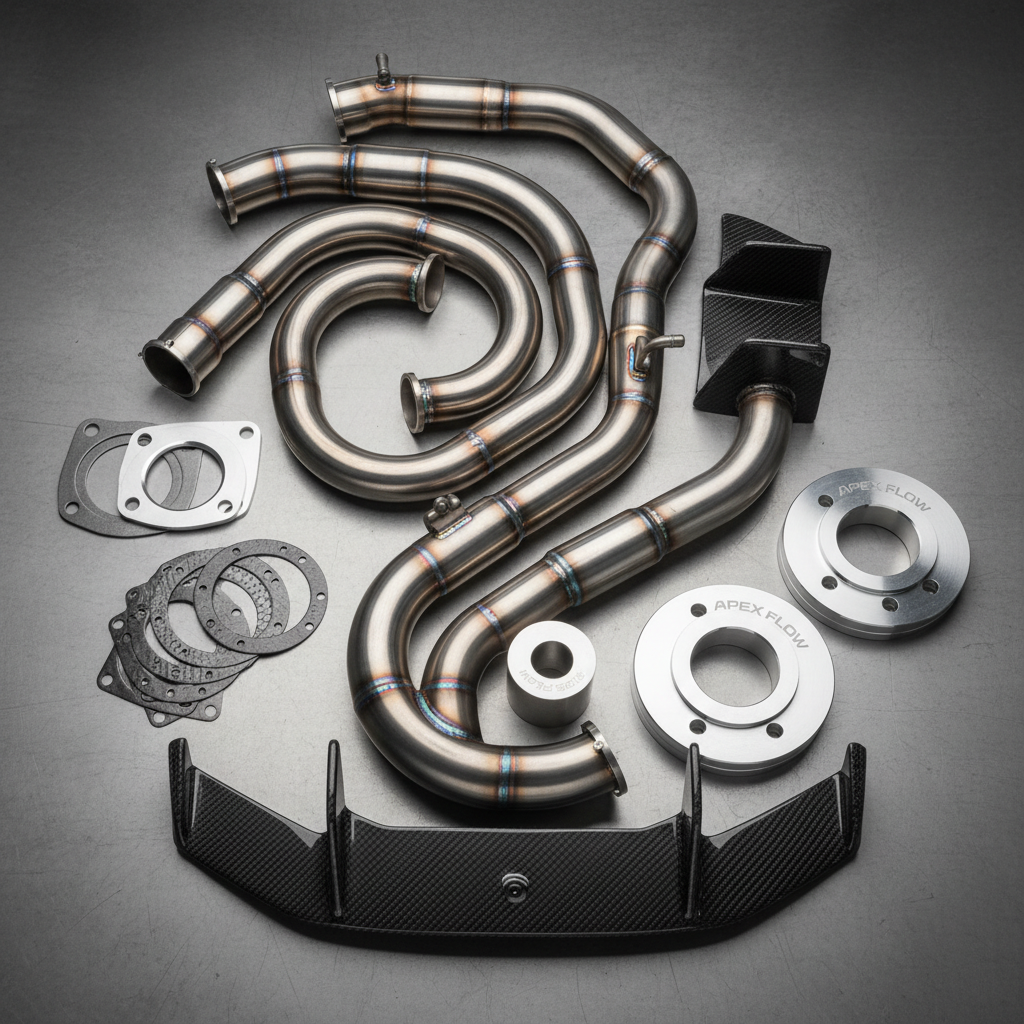
The Diesel Particulate Filter (DPF) is crucial for reducing emissions. However, it can become blocked over time, especially if the vehicle is frequently used for short trips. A blocked DPF can lead to increased exhaust emissions and reduced engine efficiency.
Regularly driving at higher speeds for extended periods can help clear the DPF. Additionally, consider using diesel additives designed to assist in keeping the DPF clean.
Overheating Issues
Overheating is a significant concern for diesel engines, often resulting from a faulty cooling system. Common causes include a malfunctioning thermostat, a leaking coolant, or a broken water pump. Overheating can lead to severe engine damage if not addressed promptly.
Regularly check the coolant levels and inspect the cooling system for leaks or damage. Replacing worn-out components and ensuring proper coolant circulation can prevent overheating problems.

Injector Problems
Injectors play a critical role in delivering fuel into the engine. Over time, they can become clogged or worn, leading to inefficient fuel delivery and poor engine performance. Symptoms of injector issues include rough idling, misfires, and increased fuel consumption.
Regular maintenance and using fuel additives can help keep injectors clean and functioning properly. If you notice symptoms, it's essential to have the injectors inspected and serviced by a professional.
Turbocharger Failures
Turbochargers enhance engine efficiency and power, but they are susceptible to failure due to poor lubrication or foreign object damage. A failing turbocharger can lead to loss of power and increased exhaust smoke.
To prevent turbocharger issues, ensure regular oil changes and only use high-quality oil. Additionally, allow the engine to idle for a few minutes before shutting it off to let the turbocharger cool down gradually.
Conclusion
Understanding and preventing common diesel engine issues can significantly extend the life of your engine and improve its performance. Regular maintenance, using high-quality fuel and lubricants, and addressing symptoms early can save you from expensive repairs. Stay proactive, and your diesel engine will continue to serve you reliably for years to come.