Busting Myths About Diesel Engines: What You Need to Know
Understanding Diesel Engines
Diesel engines have been a cornerstone of transportation and industry for decades. Yet, myths and misconceptions about their functionality and environmental impact persist. Understanding the truth behind these myths can help consumers make informed decisions.
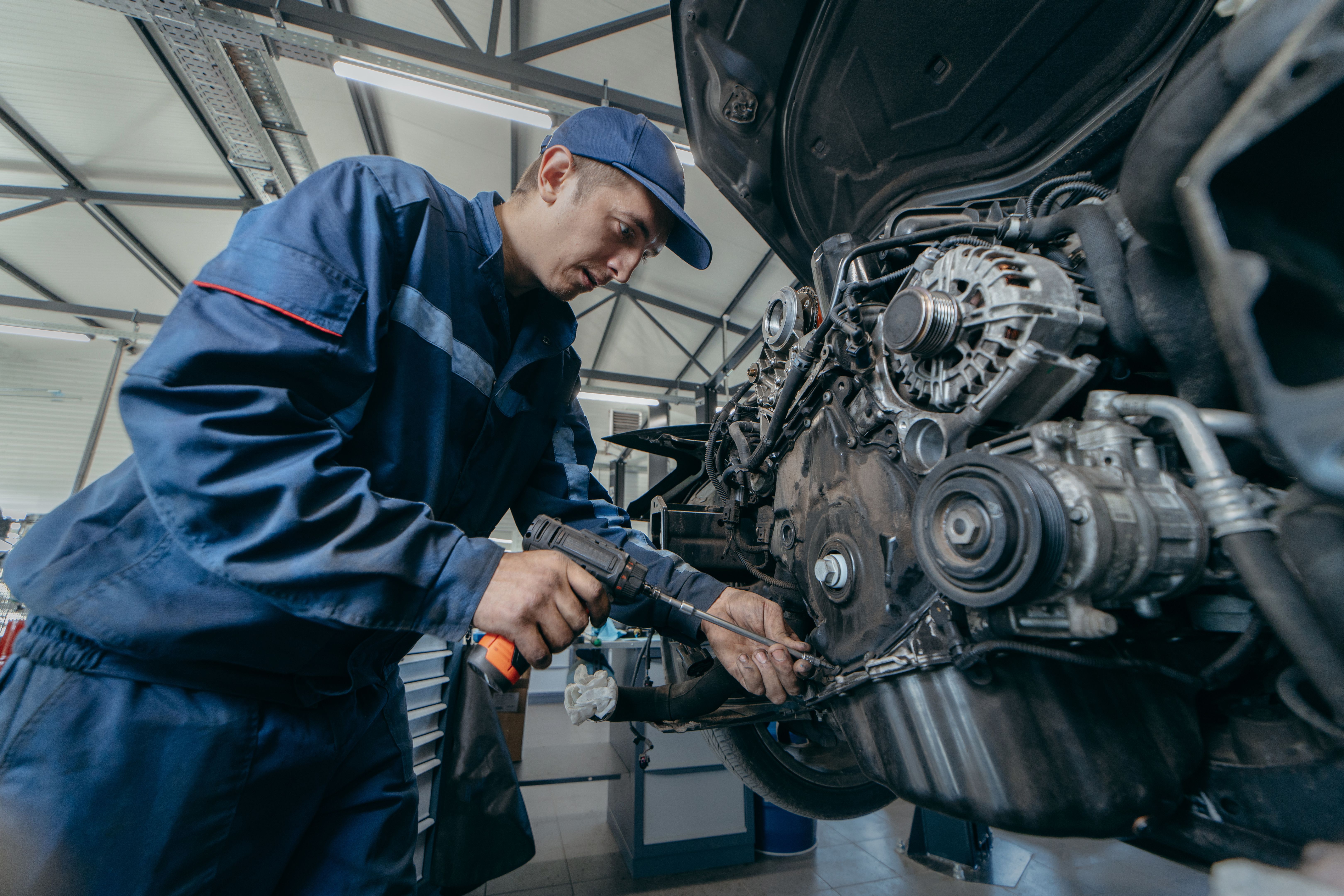
Myth 1: Diesel Engines Are Noisy
One common myth is that diesel engines are inherently noisier than their gasoline counterparts. While older diesel models were indeed louder, modern advancements in technology have significantly reduced engine noise. Innovations such as improved fuel injection systems and better engine designs have made diesel engines much quieter.
Today, many diesel vehicles come equipped with sound-dampening technology, making the cabin experience as quiet as that of a gasoline vehicle. As a result, noise is no longer a valid concern for most diesel engine users.
Myth 2: Diesel Engines Are Bad for the Environment
Another persistent myth is that diesel engines are more harmful to the environment than gasoline engines. While it's true that older diesel engines emitted more pollutants, modern diesel engines have become much cleaner. Thanks to advancements like selective catalytic reduction (SCR) and diesel particulate filters (DPF), emissions have been significantly reduced.

In some cases, diesel engines can actually be more fuel-efficient than gasoline engines, resulting in lower CO2 emissions over time. This efficiency can contribute to a reduced overall environmental impact.
Myth 3: Diesel Engines Are Difficult to Maintain
Many potential buyers shy away from diesel engines because they believe maintenance is more challenging and costly. In reality, diesel engines are known for their durability and longevity. With regular maintenance, which includes oil changes and filter replacements, a diesel engine can last many miles.
Diesel engines often require less frequent maintenance compared to gasoline engines, thanks to their robust design. This can translate to overall cost savings for the owner over the engine's lifespan.

Myth 4: Diesel Engines Are Only for Trucks
It's a common misconception that diesel engines are only suitable for large trucks and commercial vehicles. While they are popular in heavy-duty applications due to their torque and towing capabilities, diesel engines are also available in a wide range of vehicles, including cars and SUVs.
Manufacturers have recognized the benefits of diesel engines and have integrated them into various passenger vehicles, offering consumers more choices and greater efficiency.
Conclusion: Diesel Engines in the Modern World
Busting these myths reveals that diesel engines are not only a viable option but often an excellent choice for many drivers. With advancements in technology, they have become quieter, cleaner, and more efficient than ever before. Understanding these truths can help consumers make informed decisions and appreciate the benefits diesel engines can offer.